Tag: writing

  • Do it for Yourself

    Nobody cares how hard you think you’re working, and that’s why you should work harder.

    For a long time in my athletic career, I craved recognition. I wanted to be seen. Seen by coaches, teammates, competitors, and even strangers. I chased validation, hoping that someone would notice how much I was grinding. I was more obsessed with being seen as hardworking than I was with actually becoming great. But here’s the truth I’ve learned:

    Nobody gives a sh*t.

    Nobody is going to pat you on the back for getting up at 5 AM to go to the gym. Nobody’s tracking your meals or applauding the fact that you’re taking extra time to recover. People aren’t checking whether you hit every rep or stayed up late watching film. That illusion that someone is watching and keeping score is just that: an illusion.

    It’s easy to stay disciplined when a coach is holding you accountable, people are cheering you on, or a reward is waiting at the end. But greatness is built in silence. It’s built in the early mornings and late nights you spend with yourself when no one is watching. The real measure of an athlete, or any driven person, is how well you hold yourself accountable when the lights are off.

    The most elite performers, people like Conor McGregor, Kobe Bryant, and Mike Tyson, have all echoed the same idea. People celebrate your wins, but they’ll never fully grasp what you sacrificed to get there. The greatest aren’t chasing applause, they’re chasing excellence. That’s why you’ll rarely see a true elite athlete feeling satisfied. Even when the world believes they’ve made it, they know there’s still more to do. In their mind, the job is never finished.

    That’s the mindset shift: realizing that you don’t need anyone to care, you just need to work harder.

    The absence of attention is what creates the space for you to perfect your craft without distraction.

    The fact that nobody’s watching is your advantage, it’s your chance to dig deeper, push harder, and build something so unshakable that when the world does take notice, you’re already ten steps ahead.

    I’ve learned that success isn’t about being recognized, it’s about being at peace with your process. When you stop chasing external approval and start finding satisfaction in your own habits and discipline, that’s when things begin to shift. The work becomes sacred, and you start to become truly unstoppable in your own mind.

    Stop waiting to be seen. Do the work anyway. Do it when no one is watching. The real ones don’t grind for the recognition, they grind for the result.

    Do it for yourself.
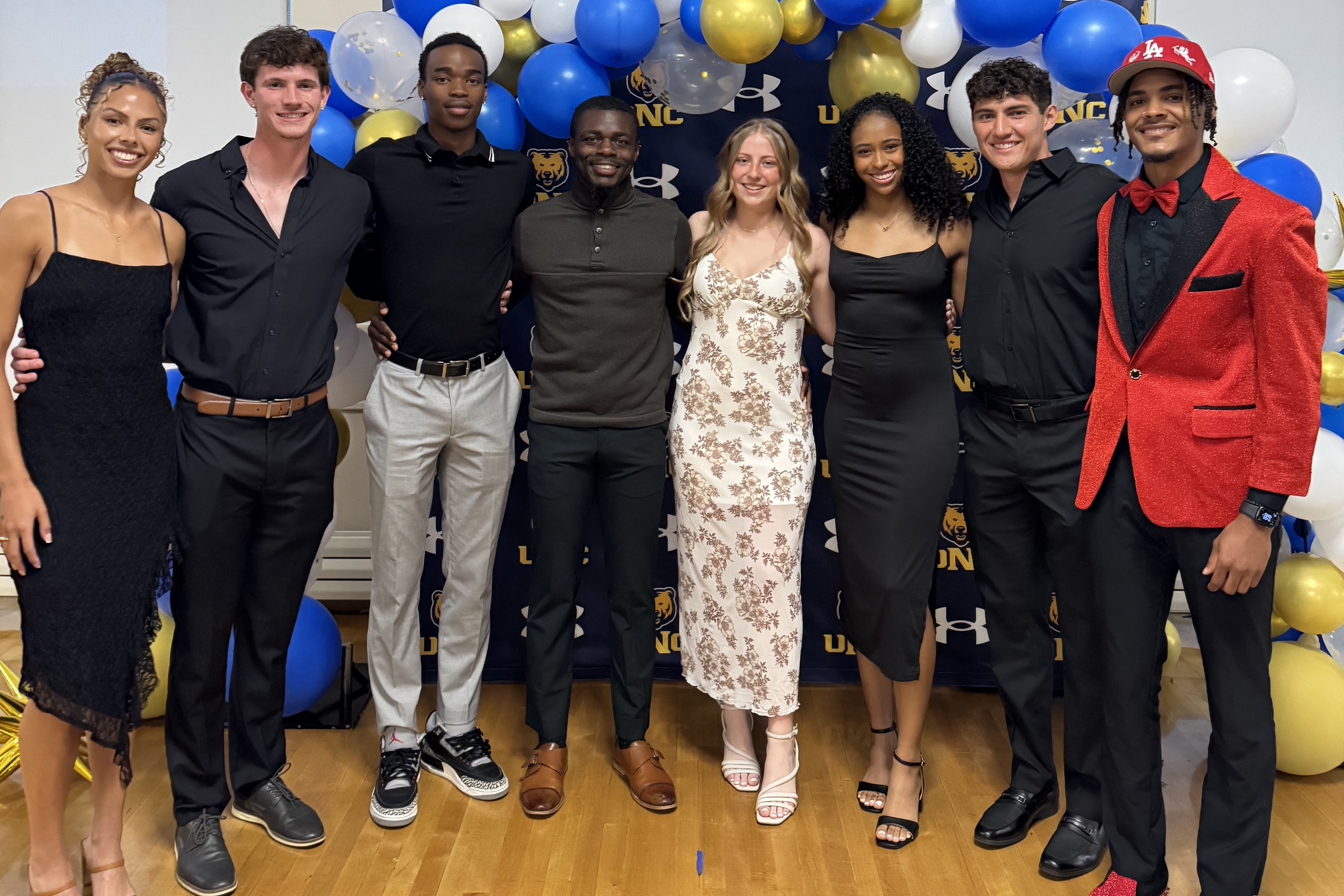
  • Wrapping Up Freshman Year

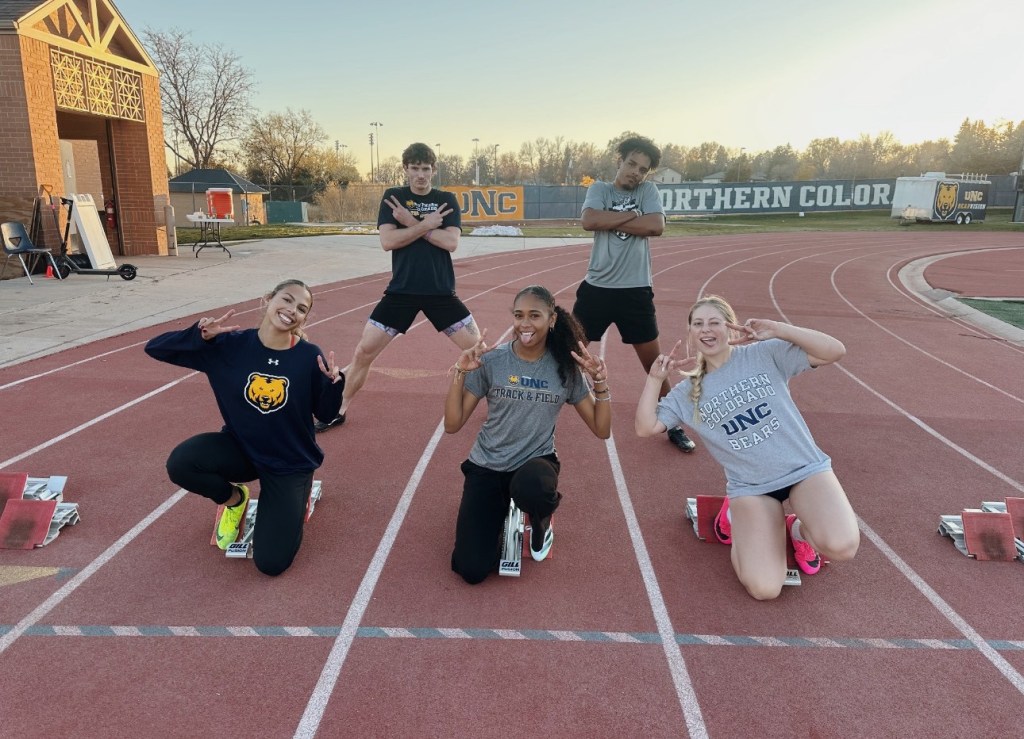
    As my freshman year comes to a close, I’ve found myself reflecting deeply on my first year of college track and everything that came with it. This year didn’t go the way I imagined or hoped it would. I fell short of many goals I set for myself. Goals I had worked hard toward and believed were within reach. Despite the setbacks, I’m learning to be grateful for the lessons this season has offered me, even if they didn’t come wrapped in the victories I initially envisioned.

    At the start of the year, I expected to hit big marks and qualify for the major meets. When that didn’t happen, my confidence took a hit. I started questioning myself: my training, my worth, my place on the team. I thought I was doing everything right: putting in the time, staying focused, giving it my all. But I wasn’t getting the results, and that was hard to accept. It led to some tough moments mentally, where self-doubt crept in and made it hard to see the bigger picture.

    Through many open and honest conversations with my coach, I started to realize that success doesn’t always come right away. We discussed things like timing, training cycles, and the small details that might be affecting my performance. I also had the chance to reconnect with Mike Higgins, someone who has been deeply influential in both my athletic journey and personal development, as I mentioned in my last post. After not seeing him for several months, our conversation brought a lot of clarity to where I am in life right now, and I’m truly grateful for that. These discussions, both with my coach and with Mike, helped me shift my mindset, from frustration and self-doubt to patience and personal growth.

    One unexpected outlet that helped me navigate this experience was this blog. Writing became a way to process what I was going through. It was more than just documenting my season, it became a safe space to unpack the weight I was carrying. It also allowed me to reach out to teammates and mentors, building a sense of connection and shared understanding. I realized I wasn’t alone in my struggles, and that brought a lot of comfort.

    Of all the topics I explored here, the one that resonates with me most is learning to find what works for you. I spent too much of the year looking sideways, comparing myself to others, measuring my worth by their successes. That mindset left me feeling empty. But I’m starting to accept that everyone’s path is different, and that doesn’t make mine any less valid.

    This year has taught me resilience. I may not have achieved everything I wanted, but I’ve built relationships, learned about myself, and grown in ways that will shape who I am moving forward. And for that, I’m proud. 

    Even so, there’s still progress to be made. Next year, I’ll be coming in with a different approach and renewed mindset.

  • A Conversation with Mike Higgins

    Throughout their careers, many athletes have the opportunity to build strong bonds with coaches or mentors who shape not just their athletic performance but their growth as individuals. These relationships often leave a lasting impact beyond the court or field.

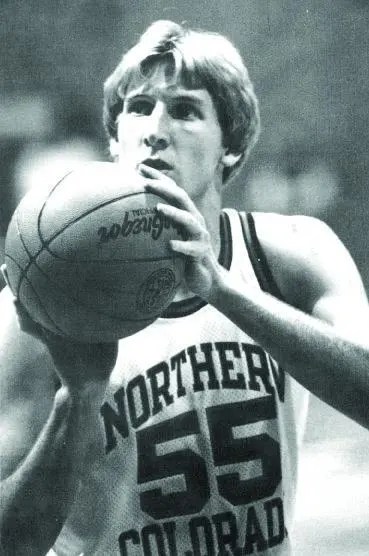
    When I played high school basketball, I was lucky to be coached by former University of Northern Colorado and professional basketball player, Michael Higgins. He didn’t just teach me the mechanics of the game, he taught me life lessons that continue to influence me today as a college athlete. A few weeks ago, I sat down with Coach Higgins to talk about life, sports, and everything in between.

    Higgins credits much of his development to his college coach at UNC, Ron Brillhart.

    “With him, every day was game day,” Higgins said. “You either showed up, or you got left behind.”

    Brillhart wasn’t the type of coach who coddled his players. Some might have seen his approach as harsh, but to Higgins, he was simply honest. In high school, Higgins was a skinny kid with plenty of room to grow. While schools like Colorado State and Wyoming wanted him to attend junior college first, Brillhart saw his potential from the beginning. He didn’t sugarcoat things, he told it like it was.

    “He didn’t tell me I was good,” Higgins said. “It was more like, ‘You’re not good, you need to be better.’ And I knew he was right.”

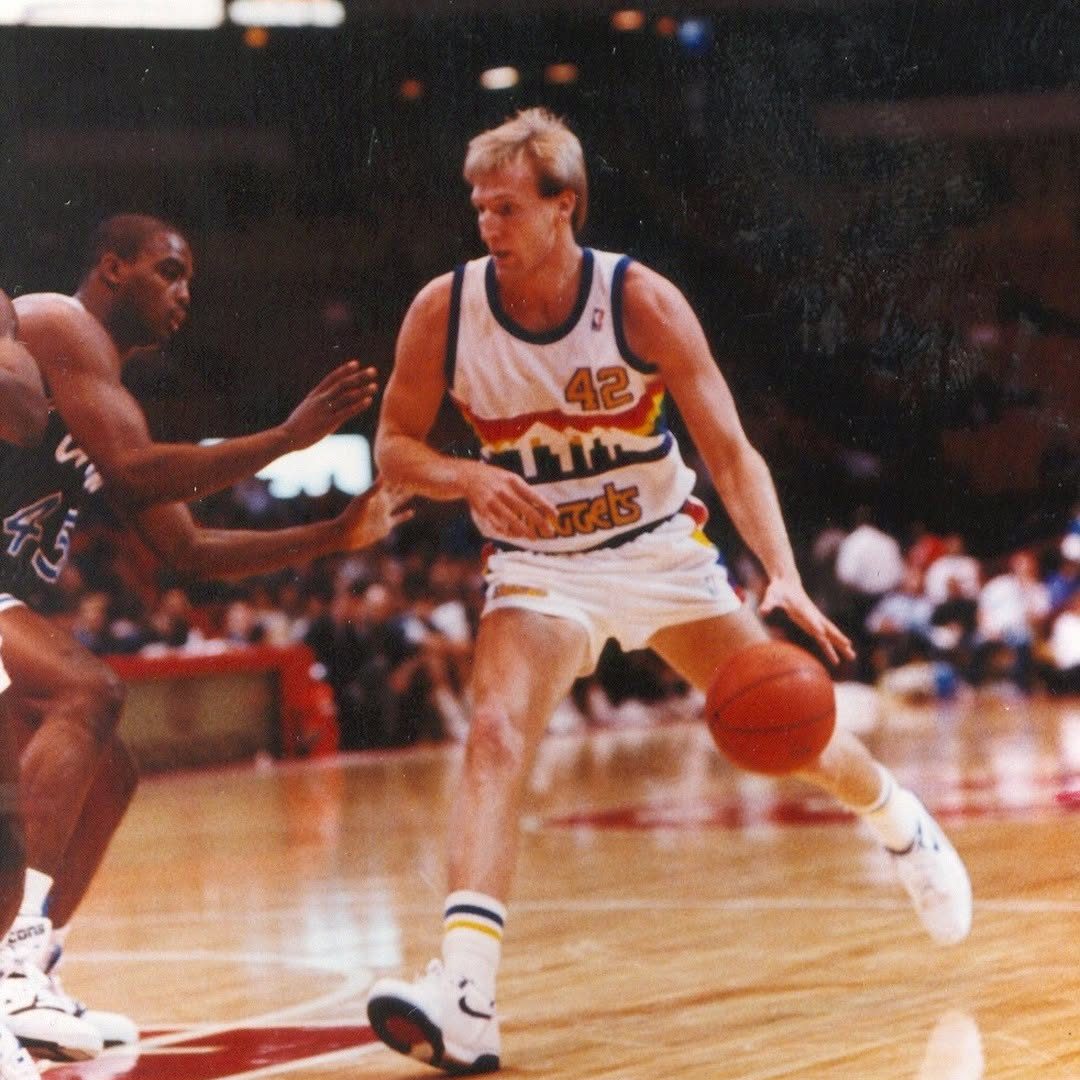
    That tough love paid off. Higgins had a remarkable college career. He was named All-Conference all four years at UNC and was a key player on the 1988-89 team that finished 24-6 and earned a share of the North Central Conference title. To this day, Higgins remains UNC’s top rebounder and blocker with 959 rebounds and 302 blocks, and the second all-time leading scorer with 2,112 points.

    From UNC, Higgins played briefly in the NBA before launching a two-decade international career that took him around the world. From Spain and Japan to Argentina. Each stop brought its own set of challenges: new languages, unfamiliar systems, and cultural differences. Some seasons, he barely played. On some teams, he felt misunderstood. And during those early years, before the internet and smartphones, it often meant feeling isolated.

    But it was in those quiet, difficult moments that Higgins grew the most.

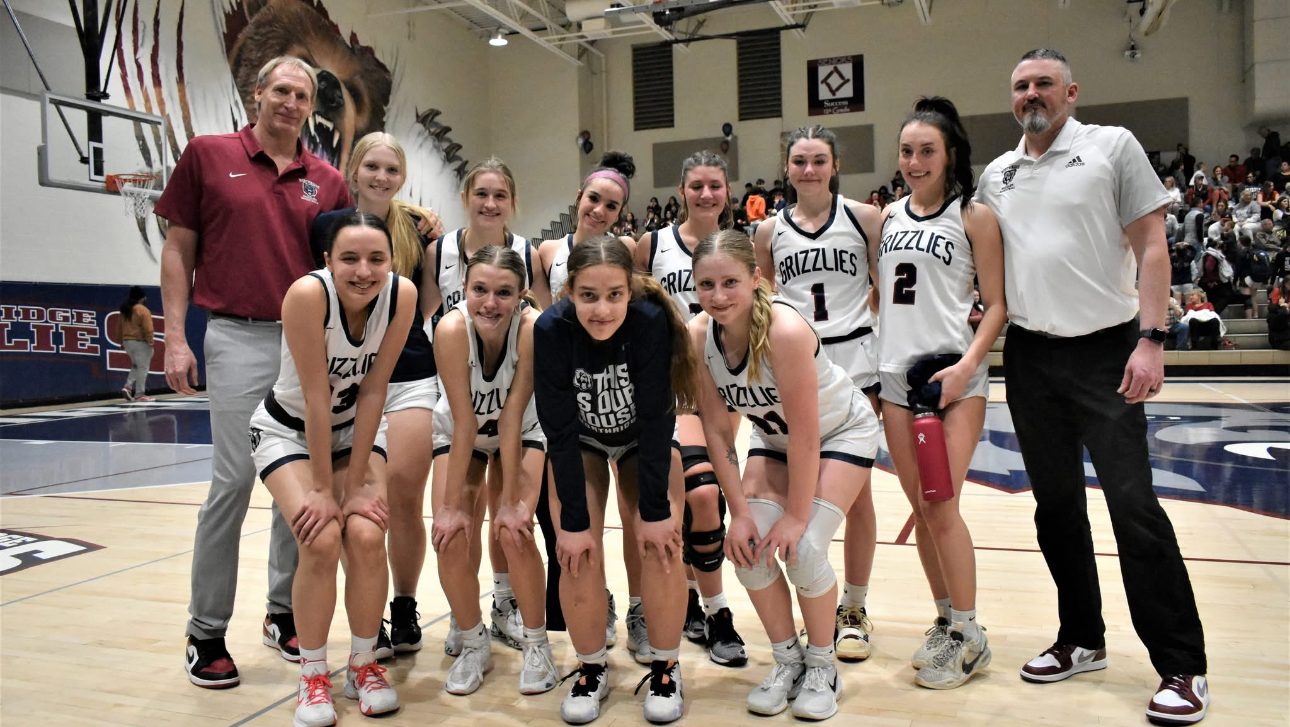
    Now back in Greeley, Higgins splits his time between working as a real estate agent and coaching the girls’ basketball team at Northridge High School, my alma mater. The lessons he learned throughout his playing career now guide how he coaches. He taught us to show up, stay grounded, and be okay with not having all the answers.

    During my four years on the team, I constantly pushed myself to be better, to match the top players. There were many times I didn’t enjoy playing because I was upset I wasn’t as good as I wanted to be. Coach Mike reminded me to take a step back and enjoy the game. That drive to always prove myself didn’t matter as much to him as whether I was having fun and growing as a person. He always said to enjoy being a kid, because it goes by faster than you think.

    Now, as I finish my freshman year of college and continue my journey as a student-athlete, it’s Coach Mike’s words that stay with me:

    “Embrace it.”

    He didn’t just mean the practices or the wins. He meant embracing the work ethic, the attitude, the challenges, and the joy of the journey, not just to be a great athlete, but a better person.

    Thank you, Coach Mike.

  • Saying ‘No’ without FOMO

    As an athlete, there’s a lot you end up missing out on during college. Friday night parties when you’ve got a 6 a.m. meet, spring break trips that overlap with training, spontaneous weekday hangouts. It’s tough. And if you’re anything like me, that fear of missing out can hit hard. Sometimes it feels like you’re watching your college years pass by from the sidelines.

    I used to question it. I’d scroll through social media and feel that sting of “I should be there” or “I’m missing something.” There were moments when I felt isolated, like I was trading the full college experience for a never-ending cycle of workouts, meets, and exhaustion. But over time, I started to shift my perspective.

    I’ve learned to find meaning in the discipline. I feel proud of the times I’ve said no, because I know exactly what I’m saying yes to instead. Growth, progress, and becoming the best version of myself.

    That doesn’t mean I never make time for fun. In fact, staying social is what keeps me sane. I’ve just learned how to be intentional about it. Here are a few things that help:

    • Quality over quantity: You don’t have to go to every event. In fact, going to few social events make them that more special. 
    • Surround yourself with people who get it: When your friends respect your goals, you don’t feel bad for skipping out. My best friends are the same people I go through college athletics with, my teammates. 
    • Plan ahead: Know when your off days are, and build in time for rest and fun. Don’t wait until you’re burnt out to take a breather.
      Protect your peace: Social media can fuel FOMO. Mute, unplug, or take a break if it starts affecting your mindset.

    Since being in college, I can say it’s hard sometimes to not imagine my life now as anything else than it is. I may not be able to go to the 18+ bars on a Thursday or to the lake on  a saturday, but I honestly wouldn’t have my life with my tight group of friends any other way. 

    Being a student-athlete teaches you a lot. One of the biggest lessons is learning that you don’t have to be everywhere all the time. You’re choosing something bigger and more important to you, and that’s a good and mature thing. 

    It’s not about shutting yourself off from the world, it’s about knowing your priorities and finding balance. Because at the end of the day, I know the memories I’m making on the track, in the weight room, and with my teammates are just as real and just as meaningful as any party I didn’t go to.

  • Finding What Works for You

    In my last post, I talked a bit about comparison. How it creeps in, especially as athletes, and how the little things we overlook in our daily lives can actually have a big impact on our performance. I’ve been reflecting a lot recently, and I want to continue that conversation, especially for anyone who’s ever struggled with watching others succeed and wondering, “Why not me?”

    If you’ve ever found yourself comparing your progress to your friends, teammates, or competitors, you’re not alone. This season, I found myself trapped in that cycle more often than I’d like to admit. I’d wonder why I wasn’t hitting the marks I worked so hard for while others around me seemed to get there effortlessly. I’d do everything “right”. Go to bed early, get my homework done, stick to my routine. Meanwhile, I’d see teammates staying out late, skipping stretches, and still performing well. It was frustrating, confusing, and at times, disheartening.

    But over time, I learned a huge lesson: just because someone else’s path looks different, doesn’t mean yours is wrong. What someone else does has NOTHING to do with what you need to succeed. The biggest shift for me came when I started focusing on controlling my own controllables. I can’t control what time someone else goes to bed, what they eat, or how they train. And honestly? Some people thrive under totally different circumstances than I do, and that’s okay.

    I’ve learned that my body doesn’t function well at morning practice if I go to bed past 11:30 p.m. And even though I’ve been told I should eat a big breakfast, I’ve realized I perform better with just a smoothie or a yogurt. That’s what works for me. Your needs might be completely different. Maybe you function best with eight hours of sleep, or maybe you need to journal at the end of each day to stay focused. Maybe you need to plan your entire week on Monday so you can relax later. Whatever it is, find it.

    There are so many little habits we carry out every day that we rarely question. But those tiny things might be holding you back more than you realize. I’ve found that journaling regularly and staying grounded through my faith and attending church has helped me stay accountable and connected to my purpose. Those things keep me focused when doubt starts creeping in.

    So, if you’re not happy with where you are, whether that’s in athletics or just in life, try changing something small. One little shift in your schedule, one habit, one mindset change could be the missing piece to unlocking your full potential. Don’t be afraid to try something new, even if it seems insignificant.

    At the end of the day, it’s about learning what YOU need, not what everyone else is doing. Because success doesn’t come from copying someone else’s formula. It comes from figuring out your own.

  • Change Something

    Over the past week, I’ve had time to reflect on this past indoor season and look ahead to the outdoor season. I haven’t been able to compete outdoors yet because of a knee injury I suffered two Mondays ago. Between slow recovery and inconsistent treatment, staying motivated has been a real challenge.

    Last week, I had a deep conversation with my coach where I opened up about everything I’ve been feeling. The frustration, the lack of progress, and why I think I haven’t been performing at the level I want to. After really listening, he suggested something unexpected: maybe what needs to change isn’t my training.

    As athletes, when we don’t see the results we want, our first instinct is often to train harder or switch up our workouts. But the truth is, performance is influenced by everything we do—not just what happens during practice or in the weight room. From the moment we wake up to the time we go to bed, every decision we make affects our energy, recovery, and performance.

    It might sound strange, but being a great athlete isn’t just about lifting heavier or running faster. And I’m not just talking about eating clean or getting enough sleep, we’ve all heard that before. I’m talking about the little things we overlook. The things that don’t seem like they matter but just might.

    After that talk with my coach, I started journaling. Each day, I picked out small habits I could tweak. Things that might be impacting my performance in subtle ways. One example: I realized I always take super hot showers, the kind that fog up the whole bathroom. But after doing a little research and reflecting, I learned that hot showers were irritating my skin and making it super dry. It seems like a small thing, but if your body isn’t healthy, how can you expect it to perform well?

    Other things I’ve looked at: eating too late at night, slouching throughout the day, not wearing the right shoes. These may seem unrelated to athletic performance, but everything adds up. This past week, I focused on adjusting these tiny habits. Honestly, I’ve felt more energized in the mornings, less fatigued, and way more refreshed overall.

    Now, I’m not saying what worked for me will work for everyone. Maybe you’re fine with hot showers or eating dinner late. But maybe, for you, it’s your hydration or how much sunlight you get. That one small, overlooked detail could be holding you back.

    It’s something worth exploring. Because once you accept that everyone’s body needs something different, you stop comparing yourself to others. You stop wondering why someone else is thriving while you’re struggling. What works for one person might not work for you, and that’s okay.

    Everybody needs something different.