Tag: sports

  • A Conversation with Mike Higgins

    Throughout their careers, many athletes have the opportunity to build strong bonds with coaches or mentors who shape not just their athletic performance but their growth as individuals. These relationships often leave a lasting impact beyond the court or field.

    When I played high school basketball, I was lucky to be coached by former University of Northern Colorado and professional basketball player, Michael Higgins. He didn’t just teach me the mechanics of the game, he taught me life lessons that continue to influence me today as a college athlete. A few weeks ago, I sat down with Coach Higgins to talk about life, sports, and everything in between.
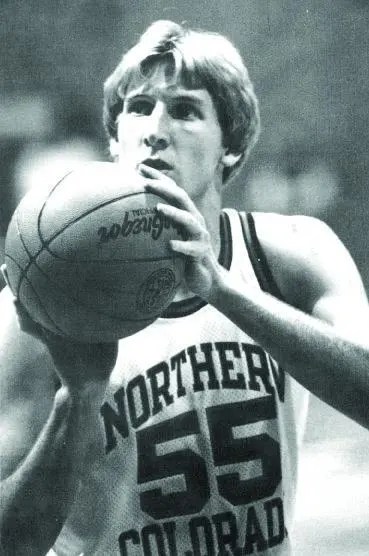
    Higgins credits much of his development to his college coach at UNC, Ron Brillhart.

    “With him, every day was game day,” Higgins said. “You either showed up, or you got left behind.”

    Brillhart wasn’t the type of coach who coddled his players. Some might have seen his approach as harsh, but to Higgins, he was simply honest. In high school, Higgins was a skinny kid with plenty of room to grow. While schools like Colorado State and Wyoming wanted him to attend junior college first, Brillhart saw his potential from the beginning. He didn’t sugarcoat things, he told it like it was.

    “He didn’t tell me I was good,” Higgins said. “It was more like, ‘You’re not good, you need to be better.’ And I knew he was right.”

    That tough love paid off. Higgins had a remarkable college career. He was named All-Conference all four years at UNC and was a key player on the 1988-89 team that finished 24-6 and earned a share of the North Central Conference title. To this day, Higgins remains UNC’s top rebounder and blocker with 959 rebounds and 302 blocks, and the second all-time leading scorer with 2,112 points.

    From UNC, Higgins played briefly in the NBA before launching a two-decade international career that took him around the world. From Spain and Japan to Argentina. Each stop brought its own set of challenges: new languages, unfamiliar systems, and cultural differences. Some seasons, he barely played. On some teams, he felt misunderstood. And during those early years, before the internet and smartphones, it often meant feeling isolated.

    But it was in those quiet, difficult moments that Higgins grew the most.

    Now back in Greeley, Higgins splits his time between working as a real estate agent and coaching the girls’ basketball team at Northridge High School, my alma mater. The lessons he learned throughout his playing career now guide how he coaches. He taught us to show up, stay grounded, and be okay with not having all the answers.

    During my four years on the team, I constantly pushed myself to be better, to match the top players. There were many times I didn’t enjoy playing because I was upset I wasn’t as good as I wanted to be. Coach Mike reminded me to take a step back and enjoy the game. That drive to always prove myself didn’t matter as much to him as whether I was having fun and growing as a person. He always said to enjoy being a kid, because it goes by faster than you think.
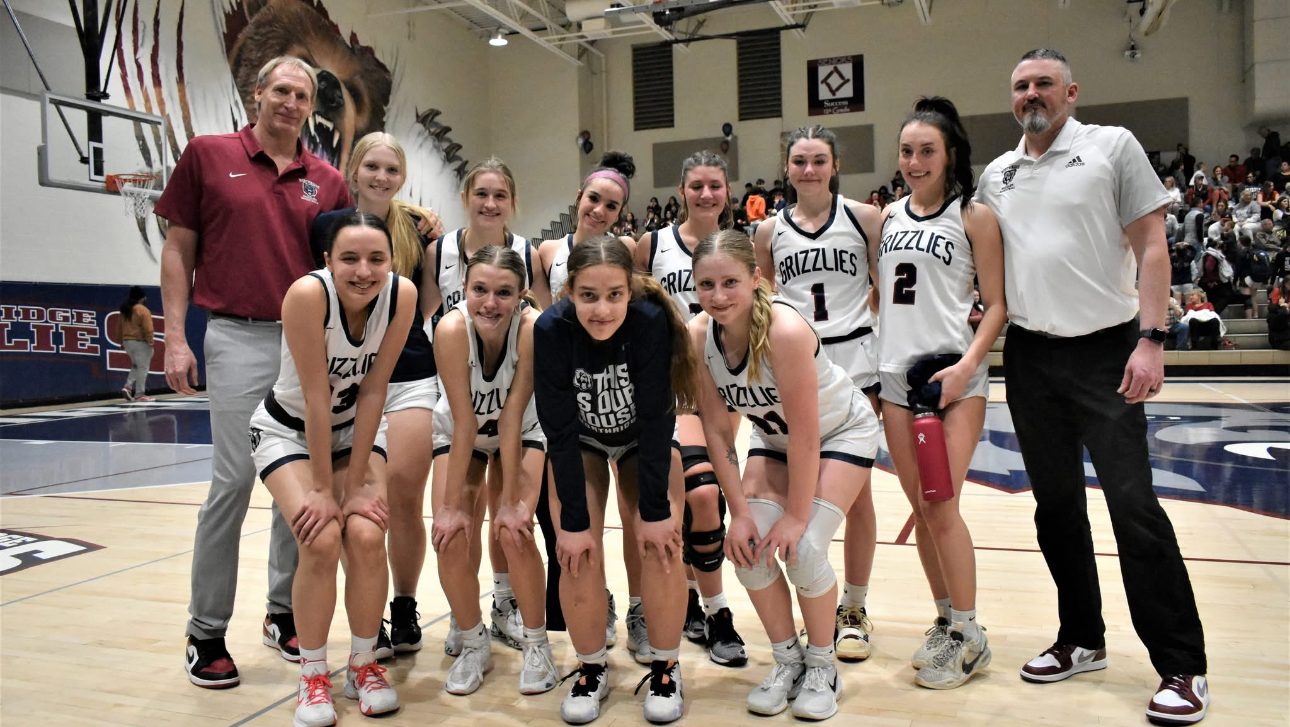
    Now, as I finish my freshman year of college and continue my journey as a student-athlete, it’s Coach Mike’s words that stay with me:

    “Embrace it.”

    He didn’t just mean the practices or the wins. He meant embracing the work ethic, the attitude, the challenges, and the joy of the journey, not just to be a great athlete, but a better person.

    Thank you, Coach Mike.
  • Managing Relationships 

    There are so many external struggles people don’t often talk about when it comes to being a student athlete. Managing relationships on its own is already complicated. Building and maintaining healthy connections takes time, effort, and a lot of emotional energy. When you add the pressure of college athletics into the mix, it becomes even harder to balance everything.

    One of the most valuable lessons I’ve learned as a college athlete is just how important it is to find a strong, supportive group of friends. People you can go through college with, share the ups and downs with, and lean on during the tough times. That’s important for any college student, but for athletes, who carry the weight of practice schedules, competition stress, and academic expectations. That support system can make all the difference.

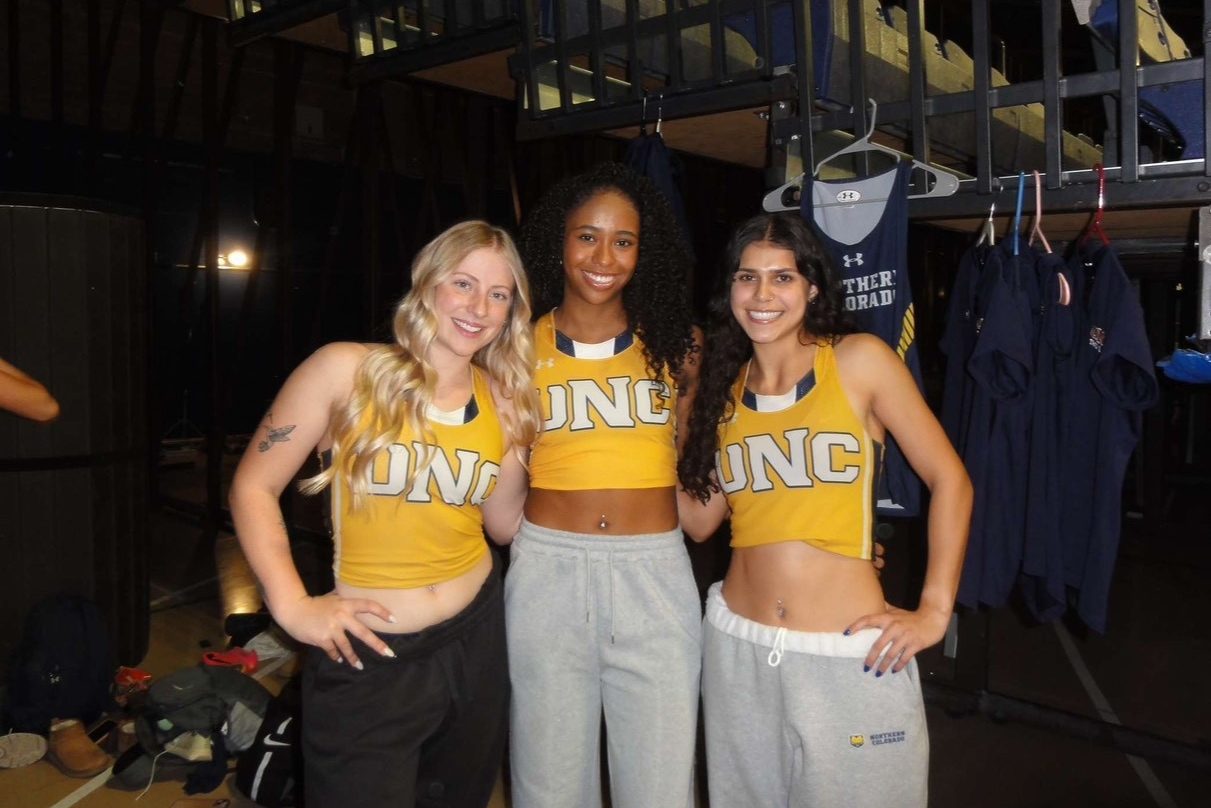
    When I first committed to the University of Northern Colorado for track, I was nervous about leaving behind my high school friends and starting over in a new place. A year later, I can honestly say that the friendships I’ve formed through sports have become one of the best parts of my college experience. I was lucky enough to be paired with a roommate who also competes in jumps, so we ended up spending nearly every part of our days together. We got through the brutal summer training sessions, powered through unpredictable dining hall meals, studied side by side, and supported each other through it all. I truly believe that if I hadn’t been placed in a room with a teammate, my entire college experience would have felt completely different.

    In that same space, my two closest friends are also on the track team. We share similar schedules, so making plans is easier, and we don’t deal with the extra drama that can sometimes come from mismatched priorities or time conflicts. That being said, I’m not suggesting all of your college friends should be your teammates. I believe it’s important to build connections in every area of your life. But there is something special about the bond you create with the people who truly understand the grind you go through every day. Those connections, formed through shared challenges and deep mutual understanding, are nearly impossible to replicate outside of this stage of life.

    My friends didn’t just help me survive the demanding lifestyle of being a student athlete, they helped me become a better version of myself. Having people who get it, who are there beside you during early morning practices, late night lifts, and mentally draining days, builds a level of support that runs deep. It made the hard days manageable and the good ones even more meaningful. Being able to laugh through the chaos, vent when things get tough, and celebrate the small victories with people who are right there in it with you is a gift I’ll always hold close.

  • Must-Watch Sports Movies for Every Athlete

    Humans are emotional by nature. We’re drawn to anything that stirs our feelings: Movies, music, plays, you name it. That’s why storytelling is so powerful. And when it comes to athletics, the game goes far beyond physical ability. Sometimes, it’s more mental and emotional than anything else.

    Every athlete experiences doubt, pressure, failure, and moments when quitting feels easier than pushing through. That’s where the power of a good story comes in. Athletes benefit most from stories where they see themselves reflected through characters who face the same struggles, fears, and triumphs. These are two of my favorite sports movies, and I think every athlete should give them a watch.

    “Stick It”

    Stick It” was one of the first sports movies I ever watched. I was a gymnast from the time I was eight until fourteen, and this film hit home. One of the biggest themes it taught me was self-worth.

    The story follows Haley Graham, a rebellious former gymnast who’s forced to return to the world of elite gymnastics after a run-in with the law. She’s sentenced to attend a strict gymnastics academy run by the legendary coach Burt Vickerman. Haley clashes with authority, her teammates, and the sport’s rigid expectations.

    As she trains and reconnects with her talent, she begins confronting the personal pain and unfairness that pushed her away from the sport in the first place. The movie tackles themes of individuality, resilience, and the pressure to be perfect in high-level sports.

    Ultimately, Haley and her teammates challenge a flawed scoring system, choosing self-respect over medals and reclaiming the sport for themselves.

    If you’re feeling boxed in by expectations or burned out, Stick It offers an emotional release. It reminds us that pushing back against the system and reclaiming your voice isn’t weakness, it’s growth. The film validates the mental fatigue athletes face and encourages rediscovering your love for the game on your own terms.

    “Coach Carter”

    Based on a true story, “Coach Carter” follows a high school basketball team in a tough Richmond, California, neighborhood, where talent alone isn’t enough.

    When Ken Carter takes over as head coach, he sets high expectations, demanding academic excellence, accountability, and respect. Players are required to sign contracts promising to maintain good grades and attend all their classes.

    As the team begins winning, their academic performance slips. In response, Carter benches the entire undefeated team until they meet his standards, sparking community outrage but ultimately teaching a lesson that sticks.

    The film delivers a powerful message: character matters just as much as talent. Being a great athlete means being a great person, someone who honors commitments, respects the team, and values long-term success over instant gratification.

    Coach Carter is a reminder that sports aren’t just about scoring points. They’re about building a legacy rooted in leadership, discipline, and integrity. 

    So, if you ever feel alone in your struggles, get comfy, maybe get a snack, and turn on one of these two movies.  

  • Breaking Barriers

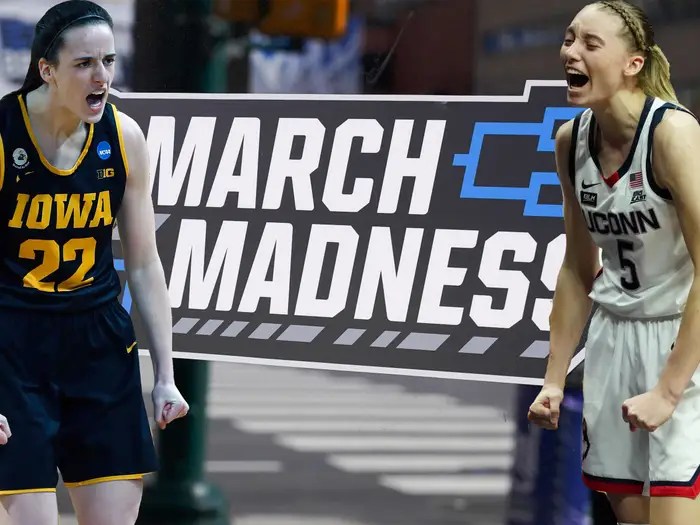
    With the highly anticipated March Madness tournament underway, I wanted to explore various topics this week related to women in sports. Sports have traditionally been male-dominated, and despite progress, women still fsce disparates in hig profile athletic events.

    In addition to track and field, I played basketball throughout middle and high school. From the time I was in 7th grade, Paige Bueckers became my favorite player to watch. I remember discussing Bueckers’ commitment to the University of Connecticut with classmates who had no idea who she was. Before Caitlin Clark’s rise and the surge in popularity of women’s college basketball in 2021 and 2022, the Women’s NCAA Tournament often flew under the radar. Hardly anyone was discussing it, making brackets, or placing bets on the games. Fast forward to my junior year of high school, and Caitlin Clark had become the new sensation with her game-winning shots and deep three-pointers. Suddenly, people at my school were talking about women’s basketball.

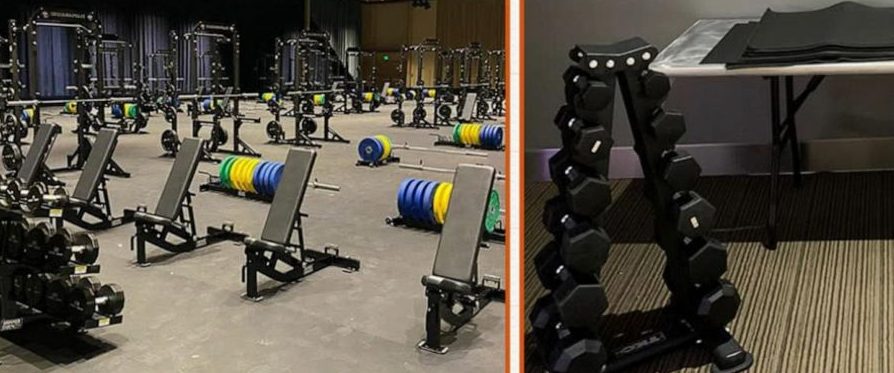
    As the popularity of women’s sports grew, so did the conversation about the disparities between male and female college athletics. In 2021, the stark differences in facilities for the men’s and women’s teams sparked public outcry. While the men had access to top-tier resources, the women were left with far less. I remember scrolling through TikTok and seeing videos from women athletes during March Madness, showcasing the stark differences in their experiences. While the women had just a single rack of dumbbells as their “weightroom,” the men had entire racks and sets of equipment. The women received only water bottles and basic t-shirts for making it to the tournament, while the men were given toiletries, blankets, hats, and more. I was so invested in the issue when it was brought to light, especially after reading that the NCAA had released a statement claiming the disparity wasn’t due to money, but space. None of it made sense to me—viewership of the games doesn’t correlate with the level of amenities provided during the tournament. 

    While audience numbers are a huge component to funding, the media often gives more attention to the men’s tournament, leaving the women’s game with less coverage. Many women’s basketball players also face challenges in securing the same endorsement deals or professional opportunities as their male counterparts. For example, despite standout performances, athletes like Sabrina Ionescu and Caitlin Clark have had to work harder to gain sponsorships that are more easily accessible to male athletes. However, advocacy for increased visibility and equality is making a difference. Organizations like the Women’s Sports Foundation and initiatives such as the NCAA’s commitment to expanding women’s sports coverage are pushing for change. Witht he help of these organizations, female athletes are aided in their advocacy for equal media coverage, sponsorship opportunities, and pay. 

    I remember in high school, the argument for why men earned more was that more people wanted to watch men’s sports over women’s. While there’s some truth to that, it’s short-sighted to ignore the fact that we have the power to push women’s games into prime viewing hours on TV and promote them just as much as we do men’s sports. 

    The fight for equality in sports is far from over. When issues are openly discussed, people take notice and disparities begin to be resolved. 

  • The Mental Game: A Conversation with Alison Hoodak 

    Being a student-athlete comes with a unique set of challenges. Balancing academics, training, performance pressure, and the occasional injury are all aspects of college athletics. For Alison Hoodak, a freshman on the University of Nothern Colorado Track Team, the experience is rewarding and demanding. 

    I had the chance to talk with Hoodak about her journey in college athletics so far. She provides a fresh perspective on the physical and mental challenges of sports and shares a unique story about the student-athlete experience. Hoodak is a sprinter and runs the 60, 100, 200, and 400-meter dash as well as various relays. 

    Being a student-athlete comes with expectations on and off the track. With the added visibility that comes with the athlete role, maintaining a positive image is almost second nature. 

    “We’re held to a higher standard, especially in public settings because there are more eyes on us,” Hoodak said. 

    College athletics isn’t just about competing well, it’s about representing their school, team, and the sport they play. Responsibility comes with its own set of pressures. Stress is an inevitable part of the experience. 

    Every athlete experiences anxiety and performance pressures differently. For some, it’s easier to maintain composure in a relaxed and focused setting such as practice. Conversely, Hoodak finds it easier to manage nerves during competition than when she’s training. 

    “When I’m competing, I’m a lot better at managing my mentality and not freaking out. If I’m having a bad day at practice, it’s a lot harder to keep myself in a positive headspace,” Hoodak said. 

    One of the toughest battles an athlete can face is injury. Trine University published an article titled “Mentally Overcoming Injuries” stating that when an injury occurs, athletes who have not developed a healthy coping mechanism to deal with failure may feel like they failed themselves. This past indoor season, Hoodak experienced a hamstring injury that prevented her from competing in the first half of the season. 

    “It was a battle to even show up every day since I was doing such easy rehab exercises instead of running and training. It felt like I wasn’t improving at all,” Hoodak said. 

    Hoodak said she has always been used to pushing her limits, so adjusting to the slower pace of recovery was a process for her. Despite the hardship that injury brings, Hoodak reminds herself that progress isn’t always going to look the same. 

    “Even if it doesn’t feel like I’m doing anything, I know I’m improving in some way. I might not be getting faster right now, but I’m getting stronger from when I first got injured,” Hoodak said. 

    Coming back from injury is as much a mental challenge as a physical one. The process can be frustrating, and athletes often don’t have a perfect answer for the stress and anxiety that come with it. What matters is showing up, trusting the journey, and recognizing that every step forward, no matter how small, is still progress. 

  • A Conversation with Jaelynn Lane

    When it comes to identity and mental health challenges, it can be difficult to realize that others are going through similar struggles. This is especially true when it involves a teammate. It takes a lot of courage to set aside the competition and training to be open with each other about sensitive topics. 

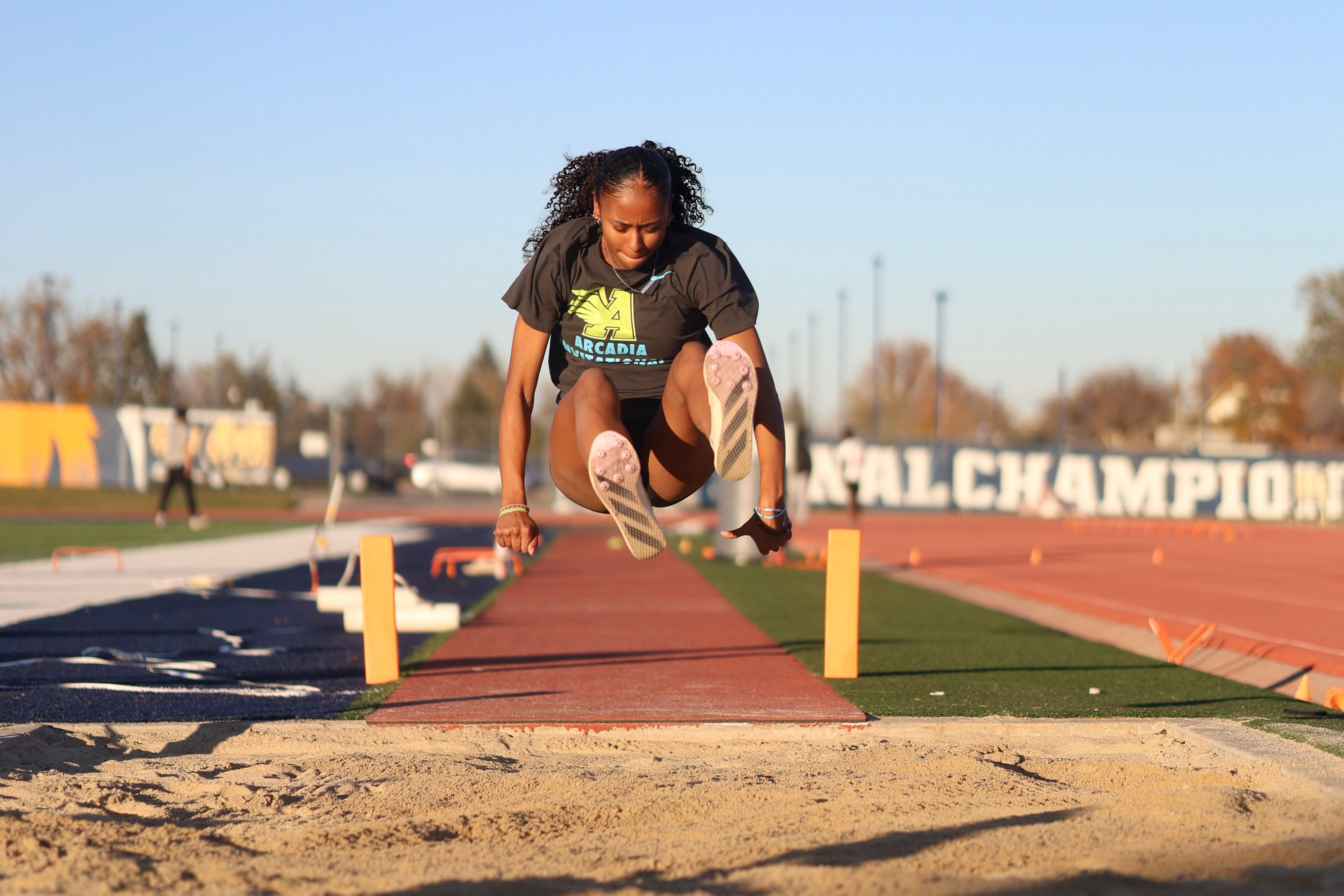
    My teammate and friend, Jaelynn Lane, generously shares her journey and highlights how her athletic experiences have influenced her perspective on sports and life. Lane is a freshman at the University of Northern Colorado, where she majors in sports and exercise science and is an athlete on the track team. Lane is a jumper and competes in the long and triple jump. 

    At the first indoor competition in December, Lane quickly excelled jumping new personal bests in the long and triple jump. 39’4.5 feet in the triple jump and 18’10 feet in the long jump ranked her top 10 in both events in the Big Sky Conference.

    Success is often accompanied by moments of struggle, a challenge that athletes face throughout their entire careers.

    Lane has been involved in athletics since she was three years old. From basketball and volleyball to soccer and track and field, sports have always been a part of who she is. “As an athlete, I rely heavily on my performance and that’s how I feel valued a lot of the time,” Lane said. As an athlete, it can be extremely difficult to accept that your worth as a person isn’t solely based on your performance. However, recognizing that the feeling is real and present is the first step toward growth, both as an athlete and as an individual. 

    The transition from high school to college athletics often brings changes in how athletes approach and manage their emotional well-being. The National Library of Medicine performed a study in 2024 discovering how moving into elite sports exposes athletes to various risk factors for mental health issues and demands a quick adjustment to integrate into the new environment successfully. For many athletes, the pressure to perform intensifies in the collegiate setting, making it a difficult adjustment for freshmen to handle. “It’s hard to stay positive if a meet didn’t go well and it gets to me more because now I’m competing at a higher level,” Lane said. College tends to amplify the highs of performing well and makes them feel incredibly rewarding, while the lows feel more difficult to bear than ever. 

    Positive self-talk plays a key role in maintaining an athlete’s mental well-being both during and outside of competition. By cultivating a growth-oriented mindset, it can alleviate anxiety and address other mental health concerns. Additionally, seeking support from trusted individuals can further contribute to an athlete’s mental health and resilience. “I try to tell myself that it’s okay to struggle and everything can’t be perfect. It’s okay to take a break and ask for help because you don’t have to deal with everything yourself,” Lane said.

    Being an athlete is being okay with not always having to be strong. 

    https://pmc.ncbi.nlm.nih.gov/articles/PMC10924853/