Tag: health

  • Saying ‘No’ without FOMO

    As an athlete, there’s a lot you end up missing out on during college. Friday night parties when you’ve got a 6 a.m. meet, spring break trips that overlap with training, spontaneous weekday hangouts. It’s tough. And if you’re anything like me, that fear of missing out can hit hard. Sometimes it feels like you’re watching your college years pass by from the sidelines.

    I used to question it. I’d scroll through social media and feel that sting of “I should be there” or “I’m missing something.” There were moments when I felt isolated, like I was trading the full college experience for a never-ending cycle of workouts, meets, and exhaustion. But over time, I started to shift my perspective.

    I’ve learned to find meaning in the discipline. I feel proud of the times I’ve said no, because I know exactly what I’m saying yes to instead. Growth, progress, and becoming the best version of myself.
    That doesn’t mean I never make time for fun. In fact, staying social is what keeps me sane. I’ve just learned how to be intentional about it. Here are a few things that help:

    • Quality over quantity: You don’t have to go to every event. In fact, going to few social events make them that more special. 
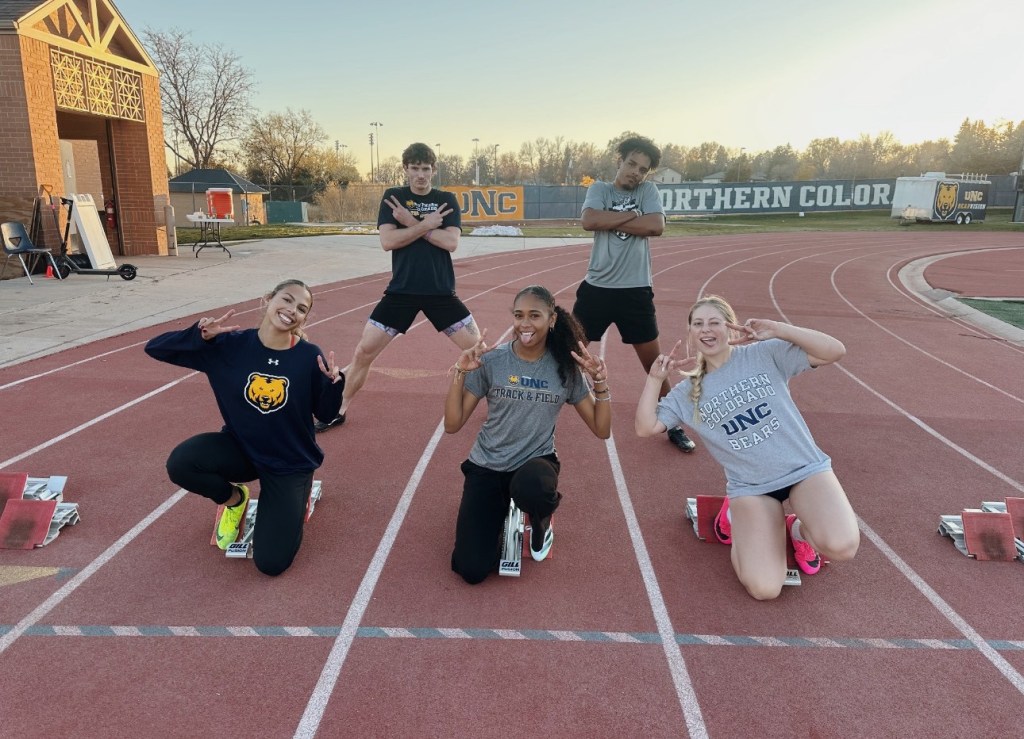
    • Surround yourself with people who get it: When your friends respect your goals, you don’t feel bad for skipping out. My best friends are the same people I go through college athletics with, my teammates. 
    • Plan ahead: Know when your off days are, and build in time for rest and fun. Don’t wait until you’re burnt out to take a breather.
      Protect your peace: Social media can fuel FOMO. Mute, unplug, or take a break if it starts affecting your mindset.

    Since being in college, I can say it’s hard sometimes to not imagine my life now as anything else than it is. I may not be able to go to the 18+ bars on a Thursday or to the lake on  a saturday, but I honestly wouldn’t have my life with my tight group of friends any other way. 

    Being a student-athlete teaches you a lot. One of the biggest lessons is learning that you don’t have to be everywhere all the time. You’re choosing something bigger and more important to you, and that’s a good and mature thing. 

    It’s not about shutting yourself off from the world, it’s about knowing your priorities and finding balance. Because at the end of the day, I know the memories I’m making on the track, in the weight room, and with my teammates are just as real and just as meaningful as any party I didn’t go to.

  • Why Rest Days are Just as Important as Meet Days

     In the world of sports, there’s a hustle mindset that praises going hard, every day, no excuses. If you’re not grinding, are you even trying? But here’s the truth that every athlete needs to hear: rest days aren’t a weakness. 

    Whatever you’re training for, your body and mind need time to recover. Performance isn’t just built through reps and drills, it’s built in the recovery phase. During recovery, your body adapts, heals, and grows stronger.

    Three weeks ago, I hurt my knee at practice. I wasn’t able to run or jump and was in strict recovery for fourteen days. It sucked. As much as I hate the hard days when it only feels like I’m running, I felt like I was regressing more than anything by just doing bike workouts and rehab stretches.The truth is, taking that break was exactly what I needed to recover faster. So the next time you think you need an extra lift in the week, or you don’t need to take a day off from working out, save this blog as a reminder. 

    The Science Behind Recovery

    When you train, especially at high intensity, you’re actually creating small tears in your muscles. That soreness you feel afterward? That’s your body repairing itself. But if you never allow time for that repair, those micro-tears can turn into bigger problems like fatigue, burnout, or even injury. Overtraining can weaken your immune system, mess with your sleep, and actually make you slower or weaker over time.

    Rest Helps Mental Health, Too

    Rest days aren’t just about muscles, they’re about mindset. Constant training with no downtime can take a toll emotionally. Pressure builds, motivation dips, and you can start to lose the love for your sport. A rest day gives you the chance to reset mentally, reflect on your goals, and just breathe. It’s like a system reboot for your brain and soul. When I was hurt, I had a lot of time to reflect on how I was feeling and why I my performance I had lacking. I was able to start tweaking little things I hadn’t realized before, such as the things I wrote about in my blog post last week. Sometimes, taking a step back is the key to moving forward.

    How to Rest Smarter

    Rest doesn’t always mean lying on the couch (sometimes it should!). Active recovery like yoga, light walking, stretching, or even just a chill bike ride can keep you moving without pushing your limits. The key is listening to your body. If you’re constantly exhausted, unmotivated, or sore, that’s not a sign to push harder, that’s your body begging for a break.

    Bottom Line

    Rest days aren’t lazy. They’re essential. They allow your body to heal, your mind to reset, and your motivation to recharge. So the next time you’re tempted to skip your day off and “power through,” remember: champions aren’t made by doing the most, they’re made by doing what’s smart.

    Your body is your instrument. Treat it with respect, and it’ll perform for you when it matters most.

  • Change Something

    Over the past week, I’ve had time to reflect on this past indoor season and look ahead to the outdoor season. I haven’t been able to compete outdoors yet because of a knee injury I suffered two Mondays ago. Between slow recovery and inconsistent treatment, staying motivated has been a real challenge.

    Last week, I had a deep conversation with my coach where I opened up about everything I’ve been feeling. The frustration, the lack of progress, and why I think I haven’t been performing at the level I want to. After really listening, he suggested something unexpected: maybe what needs to change isn’t my training.

    As athletes, when we don’t see the results we want, our first instinct is often to train harder or switch up our workouts. But the truth is, performance is influenced by everything we do—not just what happens during practice or in the weight room. From the moment we wake up to the time we go to bed, every decision we make affects our energy, recovery, and performance.

    It might sound strange, but being a great athlete isn’t just about lifting heavier or running faster. And I’m not just talking about eating clean or getting enough sleep, we’ve all heard that before. I’m talking about the little things we overlook. The things that don’t seem like they matter but just might.

    After that talk with my coach, I started journaling. Each day, I picked out small habits I could tweak. Things that might be impacting my performance in subtle ways. One example: I realized I always take super hot showers, the kind that fog up the whole bathroom. But after doing a little research and reflecting, I learned that hot showers were irritating my skin and making it super dry. It seems like a small thing, but if your body isn’t healthy, how can you expect it to perform well?

    Other things I’ve looked at: eating too late at night, slouching throughout the day, not wearing the right shoes. These may seem unrelated to athletic performance, but everything adds up. This past week, I focused on adjusting these tiny habits. Honestly, I’ve felt more energized in the mornings, less fatigued, and way more refreshed overall.

    Now, I’m not saying what worked for me will work for everyone. Maybe you’re fine with hot showers or eating dinner late. But maybe, for you, it’s your hydration or how much sunlight you get. That one small, overlooked detail could be holding you back.

    It’s something worth exploring. Because once you accept that everyone’s body needs something different, you stop comparing yourself to others. You stop wondering why someone else is thriving while you’re struggling. What works for one person might not work for you, and that’s okay.

    Everybody needs something different.

  • Outdoor!

    The outdoor season of track is finally here, and it’s the perfect time to take a fresh approach to mental health. 

     I can’t speak for every track athlete out there, but going into the outdoor season this year has been tough. Since the indoor season did not go as I hoped, it’s been hard to be mentally checked in for going outdoors. For me, it’s hard to enjoy a sport if I’m not excelling. I’ve spent a lot of time reflecting on my performances and feeling frustrated with where I’m at. That pressure to do better and the comparison to others can make it hard to stay positive.

    At times when I feel helpless, I try to remind myself of why I love the sport in the first place. The milestones I’ve overcome, the high from accomplishments, and the people I’ve met are the reasons I keep going. It’s not just about crossing the finish line first or setting a personal best—there’s a deeper connection to the sport that keeps me pushing forward, even when the results aren’t what I expected.

    By reconnecting with the reason you love your sport, I believe you can preserve your mental health while chasing goals. It’s essential to not let the pressure of expectations steal the fun from your season. Track and field, like any sport, is meant to be enjoyed and cherished, and it’s okay to take a step back and focus on the process rather than just the outcomes.

    Remember, taking care of your mind is just as essential as strengthening your body. It’s about finding balance, embracing the ups and downs, and celebrating the small wins along the way. Keep showing up, trust the journey, and never forget why you started in the first place.

     It’s the passion that keeps you going when the road gets tough.

  • The Mental Game: A Conversation with Alison Hoodak 

    Being a student-athlete comes with a unique set of challenges. Balancing academics, training, performance pressure, and the occasional injury are all aspects of college athletics. For Alison Hoodak, a freshman on the University of Nothern Colorado Track Team, the experience is rewarding and demanding. 

    I had the chance to talk with Hoodak about her journey in college athletics so far. She provides a fresh perspective on the physical and mental challenges of sports and shares a unique story about the student-athlete experience. Hoodak is a sprinter and runs the 60, 100, 200, and 400-meter dash as well as various relays. 

    Being a student-athlete comes with expectations on and off the track. With the added visibility that comes with the athlete role, maintaining a positive image is almost second nature. 

    “We’re held to a higher standard, especially in public settings because there are more eyes on us,” Hoodak said. 

    College athletics isn’t just about competing well, it’s about representing their school, team, and the sport they play. Responsibility comes with its own set of pressures. Stress is an inevitable part of the experience. 

    Every athlete experiences anxiety and performance pressures differently. For some, it’s easier to maintain composure in a relaxed and focused setting such as practice. Conversely, Hoodak finds it easier to manage nerves during competition than when she’s training. 

    “When I’m competing, I’m a lot better at managing my mentality and not freaking out. If I’m having a bad day at practice, it’s a lot harder to keep myself in a positive headspace,” Hoodak said. 

    One of the toughest battles an athlete can face is injury. Trine University published an article titled “Mentally Overcoming Injuries” stating that when an injury occurs, athletes who have not developed a healthy coping mechanism to deal with failure may feel like they failed themselves. This past indoor season, Hoodak experienced a hamstring injury that prevented her from competing in the first half of the season. 

    “It was a battle to even show up every day since I was doing such easy rehab exercises instead of running and training. It felt like I wasn’t improving at all,” Hoodak said. 

    Hoodak said she has always been used to pushing her limits, so adjusting to the slower pace of recovery was a process for her. Despite the hardship that injury brings, Hoodak reminds herself that progress isn’t always going to look the same. 

    “Even if it doesn’t feel like I’m doing anything, I know I’m improving in some way. I might not be getting faster right now, but I’m getting stronger from when I first got injured,” Hoodak said. 

    Coming back from injury is as much a mental challenge as a physical one. The process can be frustrating, and athletes often don’t have a perfect answer for the stress and anxiety that come with it. What matters is showing up, trusting the journey, and recognizing that every step forward, no matter how small, is still progress. 

  • Finding Balance

    Athletes are often taught to train hard, push limits, and sacrifice anything to achieve goals. It is easy to become consumed by the constant drive to be the best. Therefore, the intense focus on athletic performance can overshadow an equally important aspect of being an athlete: balance. Without balance, athletes’ mentality and performance will crumble. Here are some tips on maintaining balance in my daily routine, which I hope will be helpful to you if you’re an athlete too. 

    Tip 1: Take time to recover

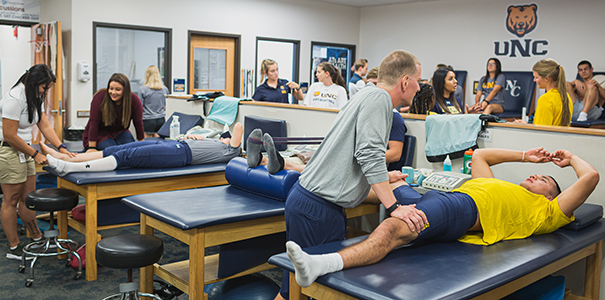
    While it may seem easier to skip cooling down or stretching after a workout, it is extremely necessary. Despite all the other tasks you may have in your day, taking time to let the body rest and regenerate is crucial for improvement in any sport and helps prevent injury. After practice, I make sure I visit the training room to either roll out, do compression boots, or ice bath. Especially if I had a hard workout that day. Training without recovery does not lead to success, and no athlete can expect to improve without proper recovery. 

    Tip 2: Have a calendar

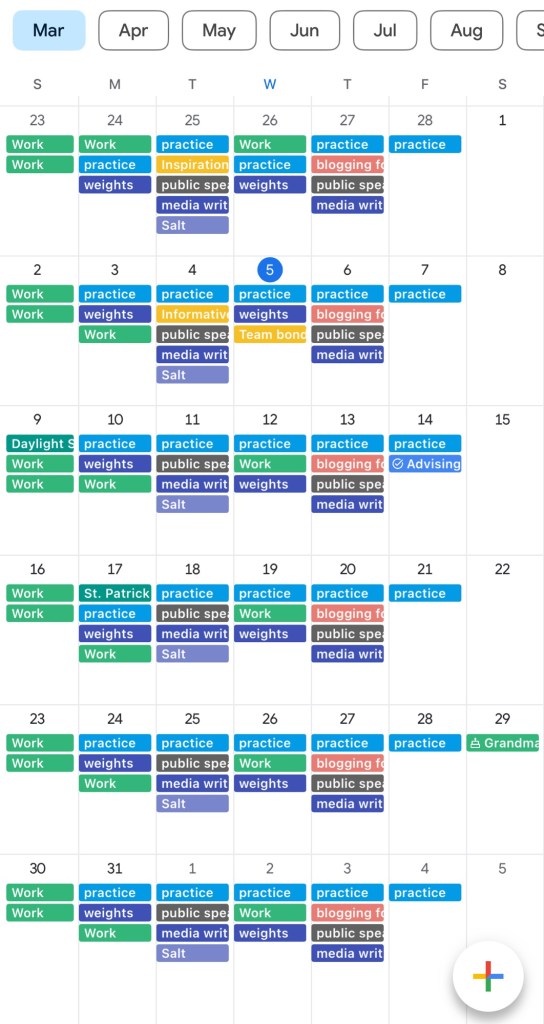
    Student-athletes have incredibly packed schedules. I was always busy in high school, but I never fully realized how much more hectic things would become once I got to college. I practice 2 to 3 and a half hours a day, have class, and work 15 to 20 hours a week. On top of all that, I had much more homework than I ever did in high school. There were multiple instances at the beginning of the year when I had forgotten about an athletic obligation and forgot to request the day off work or an assignment due and mixed up the day it was due because I didn’t write it down. Having a calendar to organize all my events not only keeps me on top of my responsibilities but also helps me manage stress and anxiety. When there’s always so much to do, the mind can easily become overwhelmed. Some form of organization is always beneficial. 

    img_0704-1

    Tip 3: Set boundaries for athletic and personal life 

    There were moments in high school when I became so focused on training that I overlooked other aspects and people in my life. Although I believed I was making the right decision by prioritizing my training, I ended up feeling overwhelmed and lonely without the important time spent with my friends and family. Since coming to college, I have learned that spending time away from track is just as important as the training. Although boundaries may seem strict, there are ways to establish healthy ones. Engaging in other activities allows you to disconnect from the pressures of your sport and maintain a more healthy relationship with training.  

    Finding balance as an athlete doesn’t necessarily mean doing less. Understanding that training, mental health, and personal fulfillment all contribute to a balanced life is essential for everyone—whether you’re an athlete or not. 

    Embrace rest, nurture your well-being, and make space for personal interests.

  • A Conversation with Jaelynn Lane

    When it comes to identity and mental health challenges, it can be difficult to realize that others are going through similar struggles. This is especially true when it involves a teammate. It takes a lot of courage to set aside the competition and training to be open with each other about sensitive topics. 

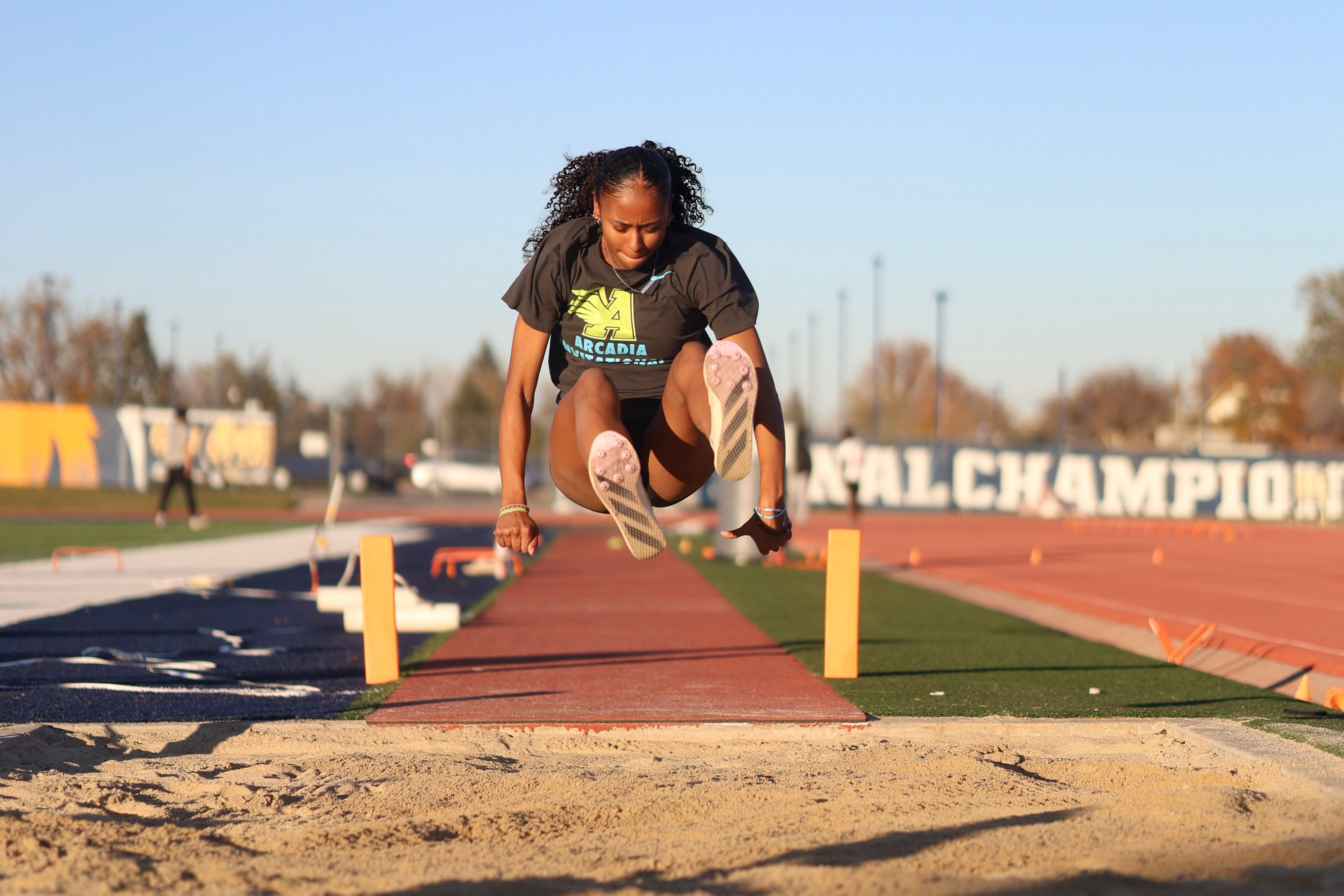
    My teammate and friend, Jaelynn Lane, generously shares her journey and highlights how her athletic experiences have influenced her perspective on sports and life. Lane is a freshman at the University of Northern Colorado, where she majors in sports and exercise science and is an athlete on the track team. Lane is a jumper and competes in the long and triple jump. 

    At the first indoor competition in December, Lane quickly excelled jumping new personal bests in the long and triple jump. 39’4.5 feet in the triple jump and 18’10 feet in the long jump ranked her top 10 in both events in the Big Sky Conference.

    Success is often accompanied by moments of struggle, a challenge that athletes face throughout their entire careers.

    Lane has been involved in athletics since she was three years old. From basketball and volleyball to soccer and track and field, sports have always been a part of who she is. “As an athlete, I rely heavily on my performance and that’s how I feel valued a lot of the time,” Lane said. As an athlete, it can be extremely difficult to accept that your worth as a person isn’t solely based on your performance. However, recognizing that the feeling is real and present is the first step toward growth, both as an athlete and as an individual. 

    The transition from high school to college athletics often brings changes in how athletes approach and manage their emotional well-being. The National Library of Medicine performed a study in 2024 discovering how moving into elite sports exposes athletes to various risk factors for mental health issues and demands a quick adjustment to integrate into the new environment successfully. For many athletes, the pressure to perform intensifies in the collegiate setting, making it a difficult adjustment for freshmen to handle. “It’s hard to stay positive if a meet didn’t go well and it gets to me more because now I’m competing at a higher level,” Lane said. College tends to amplify the highs of performing well and makes them feel incredibly rewarding, while the lows feel more difficult to bear than ever. 

    Positive self-talk plays a key role in maintaining an athlete’s mental well-being both during and outside of competition. By cultivating a growth-oriented mindset, it can alleviate anxiety and address other mental health concerns. Additionally, seeking support from trusted individuals can further contribute to an athlete’s mental health and resilience. “I try to tell myself that it’s okay to struggle and everything can’t be perfect. It’s okay to take a break and ask for help because you don’t have to deal with everything yourself,” Lane said.

    Being an athlete is being okay with not always having to be strong. 

    https://pmc.ncbi.nlm.nih.gov/articles/PMC10924853/