Tag: basketball

  • A Conversation with Mike Higgins

    Throughout their careers, many athletes have the opportunity to build strong bonds with coaches or mentors who shape not just their athletic performance but their growth as individuals. These relationships often leave a lasting impact beyond the court or field.

    When I played high school basketball, I was lucky to be coached by former University of Northern Colorado and professional basketball player, Michael Higgins. He didn’t just teach me the mechanics of the game, he taught me life lessons that continue to influence me today as a college athlete. A few weeks ago, I sat down with Coach Higgins to talk about life, sports, and everything in between.
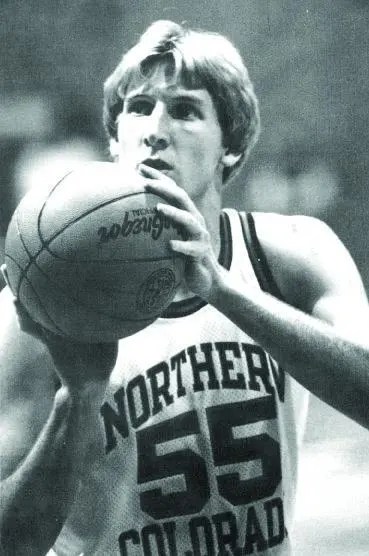
    Higgins credits much of his development to his college coach at UNC, Ron Brillhart.

    “With him, every day was game day,” Higgins said. “You either showed up, or you got left behind.”

    Brillhart wasn’t the type of coach who coddled his players. Some might have seen his approach as harsh, but to Higgins, he was simply honest. In high school, Higgins was a skinny kid with plenty of room to grow. While schools like Colorado State and Wyoming wanted him to attend junior college first, Brillhart saw his potential from the beginning. He didn’t sugarcoat things, he told it like it was.

    “He didn’t tell me I was good,” Higgins said. “It was more like, ‘You’re not good, you need to be better.’ And I knew he was right.”

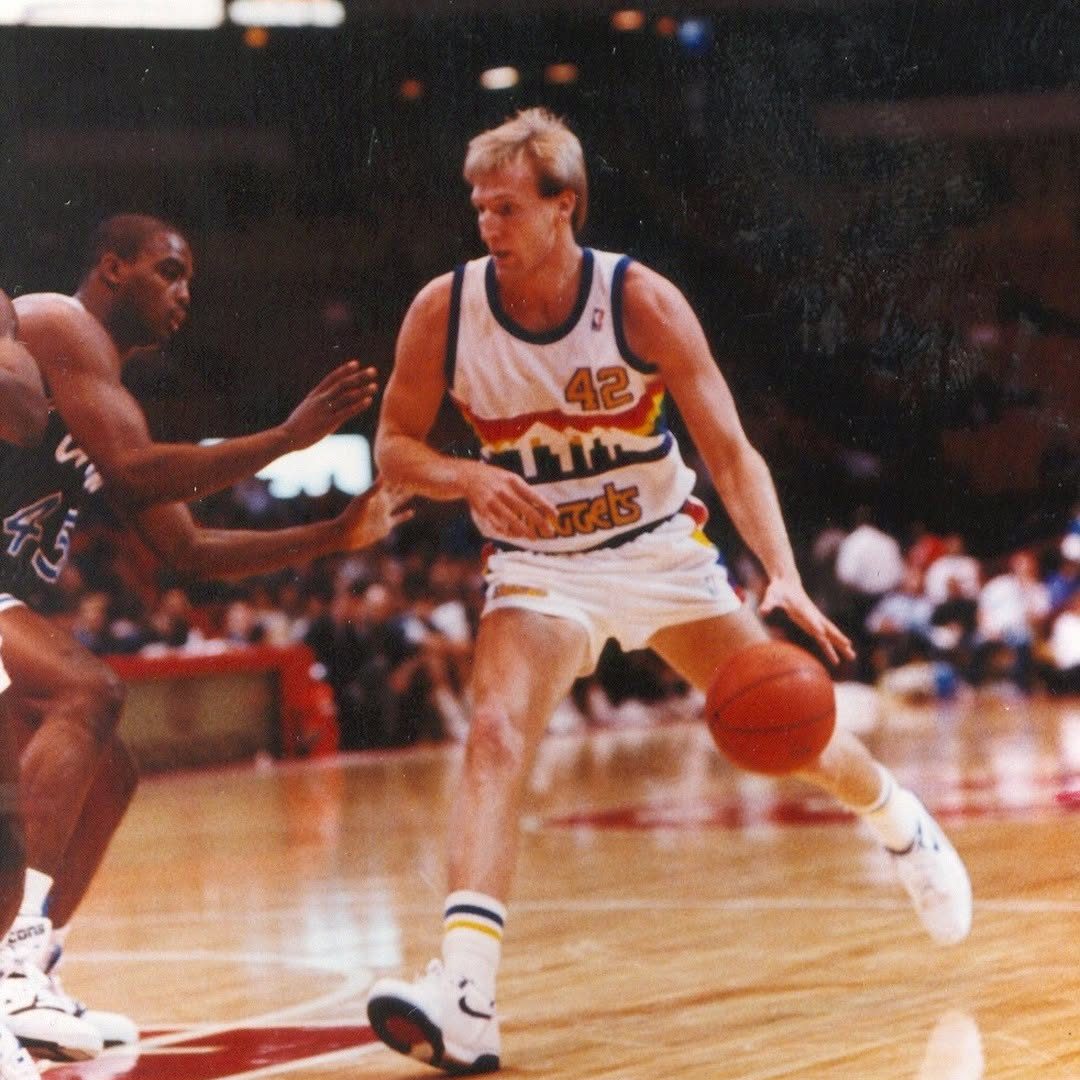
    That tough love paid off. Higgins had a remarkable college career. He was named All-Conference all four years at UNC and was a key player on the 1988-89 team that finished 24-6 and earned a share of the North Central Conference title. To this day, Higgins remains UNC’s top rebounder and blocker with 959 rebounds and 302 blocks, and the second all-time leading scorer with 2,112 points.

    From UNC, Higgins played briefly in the NBA before launching a two-decade international career that took him around the world. From Spain and Japan to Argentina. Each stop brought its own set of challenges: new languages, unfamiliar systems, and cultural differences. Some seasons, he barely played. On some teams, he felt misunderstood. And during those early years, before the internet and smartphones, it often meant feeling isolated.

    But it was in those quiet, difficult moments that Higgins grew the most.
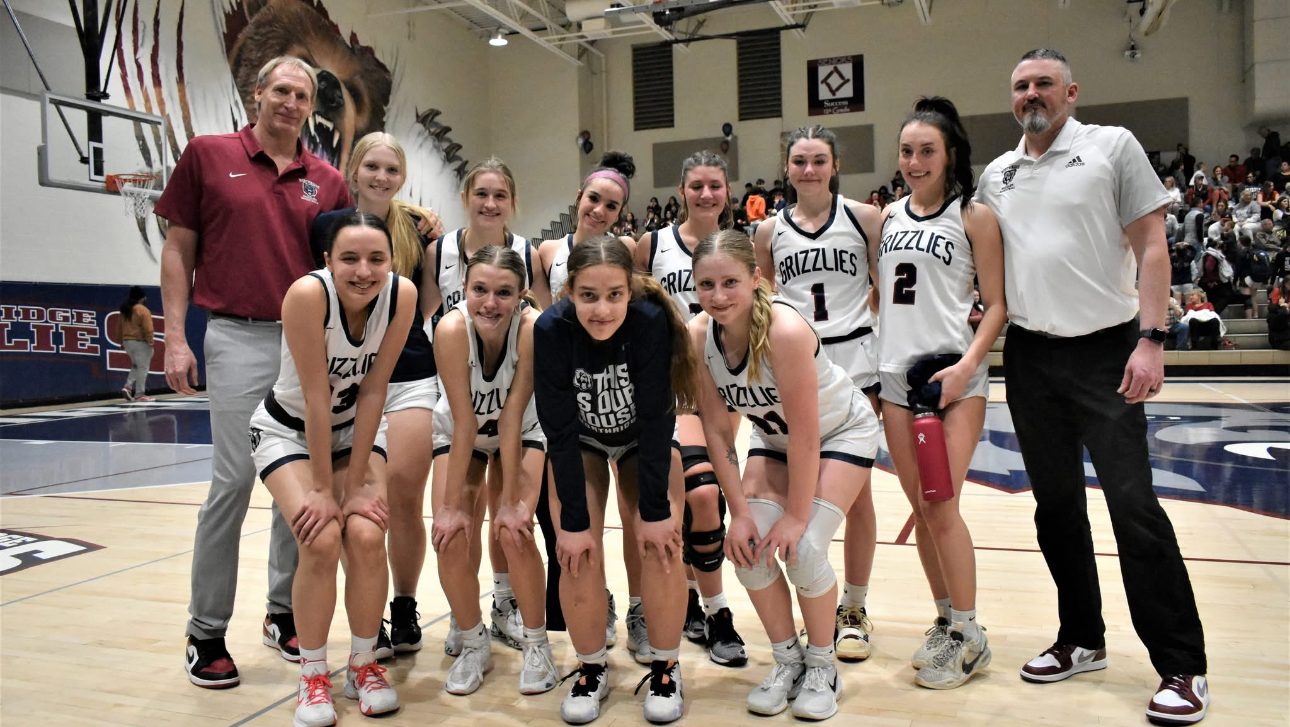
    Now back in Greeley, Higgins splits his time between working as a real estate agent and coaching the girls’ basketball team at Northridge High School, my alma mater. The lessons he learned throughout his playing career now guide how he coaches. He taught us to show up, stay grounded, and be okay with not having all the answers.

    During my four years on the team, I constantly pushed myself to be better, to match the top players. There were many times I didn’t enjoy playing because I was upset I wasn’t as good as I wanted to be. Coach Mike reminded me to take a step back and enjoy the game. That drive to always prove myself didn’t matter as much to him as whether I was having fun and growing as a person. He always said to enjoy being a kid, because it goes by faster than you think.
    Now, as I finish my freshman year of college and continue my journey as a student-athlete, it’s Coach Mike’s words that stay with me:

    “Embrace it.”

    He didn’t just mean the practices or the wins. He meant embracing the work ethic, the attitude, the challenges, and the joy of the journey, not just to be a great athlete, but a better person.

    Thank you, Coach Mike.
  • Breaking Barriers

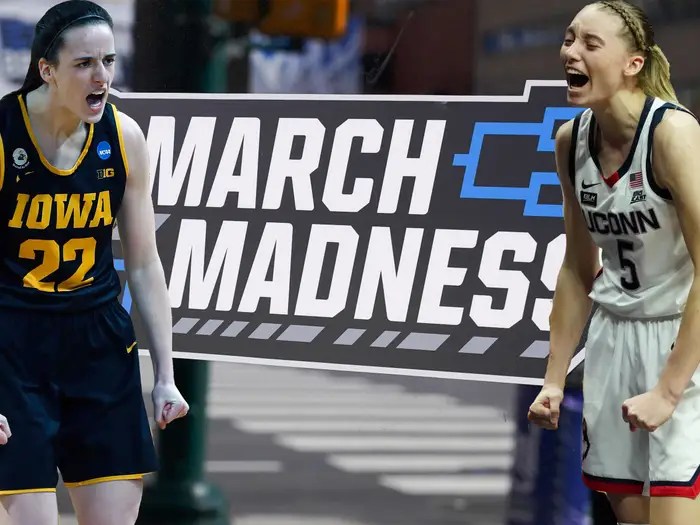
    With the highly anticipated March Madness tournament underway, I wanted to explore various topics this week related to women in sports. Sports have traditionally been male-dominated, and despite progress, women still fsce disparates in hig profile athletic events.

    In addition to track and field, I played basketball throughout middle and high school. From the time I was in 7th grade, Paige Bueckers became my favorite player to watch. I remember discussing Bueckers’ commitment to the University of Connecticut with classmates who had no idea who she was. Before Caitlin Clark’s rise and the surge in popularity of women’s college basketball in 2021 and 2022, the Women’s NCAA Tournament often flew under the radar. Hardly anyone was discussing it, making brackets, or placing bets on the games. Fast forward to my junior year of high school, and Caitlin Clark had become the new sensation with her game-winning shots and deep three-pointers. Suddenly, people at my school were talking about women’s basketball.

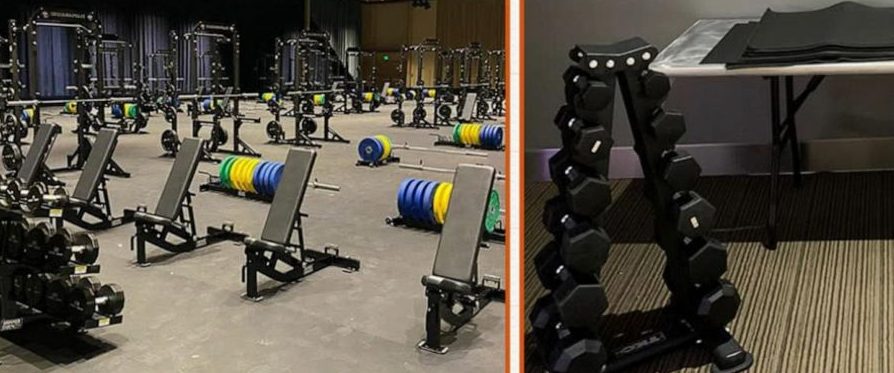
    As the popularity of women’s sports grew, so did the conversation about the disparities between male and female college athletics. In 2021, the stark differences in facilities for the men’s and women’s teams sparked public outcry. While the men had access to top-tier resources, the women were left with far less. I remember scrolling through TikTok and seeing videos from women athletes during March Madness, showcasing the stark differences in their experiences. While the women had just a single rack of dumbbells as their “weightroom,” the men had entire racks and sets of equipment. The women received only water bottles and basic t-shirts for making it to the tournament, while the men were given toiletries, blankets, hats, and more. I was so invested in the issue when it was brought to light, especially after reading that the NCAA had released a statement claiming the disparity wasn’t due to money, but space. None of it made sense to me—viewership of the games doesn’t correlate with the level of amenities provided during the tournament. 

    While audience numbers are a huge component to funding, the media often gives more attention to the men’s tournament, leaving the women’s game with less coverage. Many women’s basketball players also face challenges in securing the same endorsement deals or professional opportunities as their male counterparts. For example, despite standout performances, athletes like Sabrina Ionescu and Caitlin Clark have had to work harder to gain sponsorships that are more easily accessible to male athletes. However, advocacy for increased visibility and equality is making a difference. Organizations like the Women’s Sports Foundation and initiatives such as the NCAA’s commitment to expanding women’s sports coverage are pushing for change. Witht he help of these organizations, female athletes are aided in their advocacy for equal media coverage, sponsorship opportunities, and pay. 

    I remember in high school, the argument for why men earned more was that more people wanted to watch men’s sports over women’s. While there’s some truth to that, it’s short-sighted to ignore the fact that we have the power to push women’s games into prime viewing hours on TV and promote them just as much as we do men’s sports. 

    The fight for equality in sports is far from over. When issues are openly discussed, people take notice and disparities begin to be resolved.