JMS 212
Photo Favorites
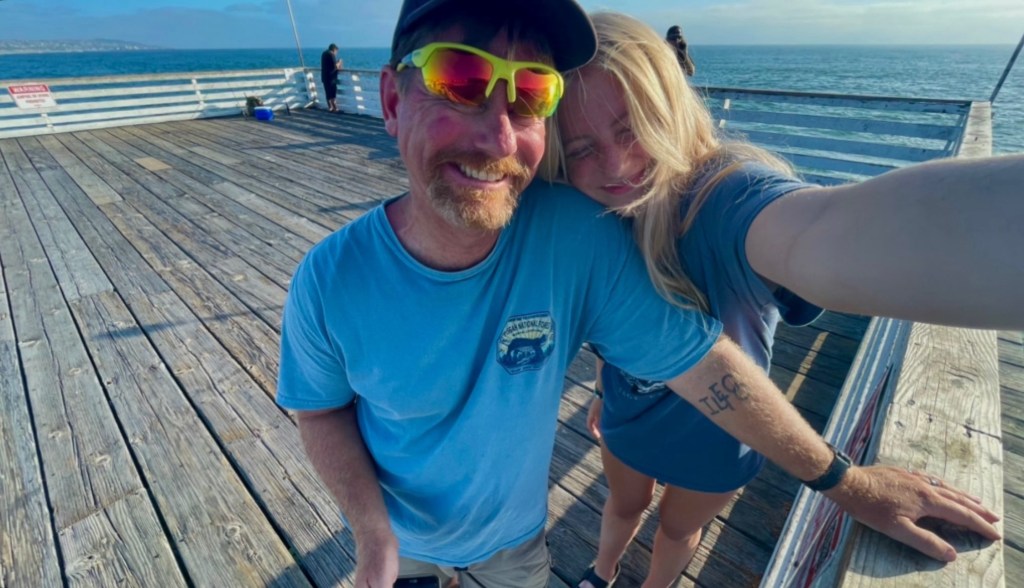
This photo is significant to me because it represents one of the fondest memories of my life. For my 16th birthday, my dad and I spontaneously took a road trip to San Diego that we had planned a week before. At first glance, the photo may not appear intricate or reveal any deeper meaning, but it carries the weight of that experience for me. When I look at it, I remember the 16-hour drive we made with a broken radio, playing music from our phones instead. I think of the In-N-Out we ate on the beach, all the California poppies we saw on hikes, and the five days I cherished with the person I love most in my life. The picture itself is not professionally taken, nor are my dad and I posed; it is simple and casual. Yet the vibrant colors capture the brightness of that trip and reflect the joy it brought to my heart. A couple of months later, I got California poppies tattooed as a way to carry a piece of that trip with me forever.
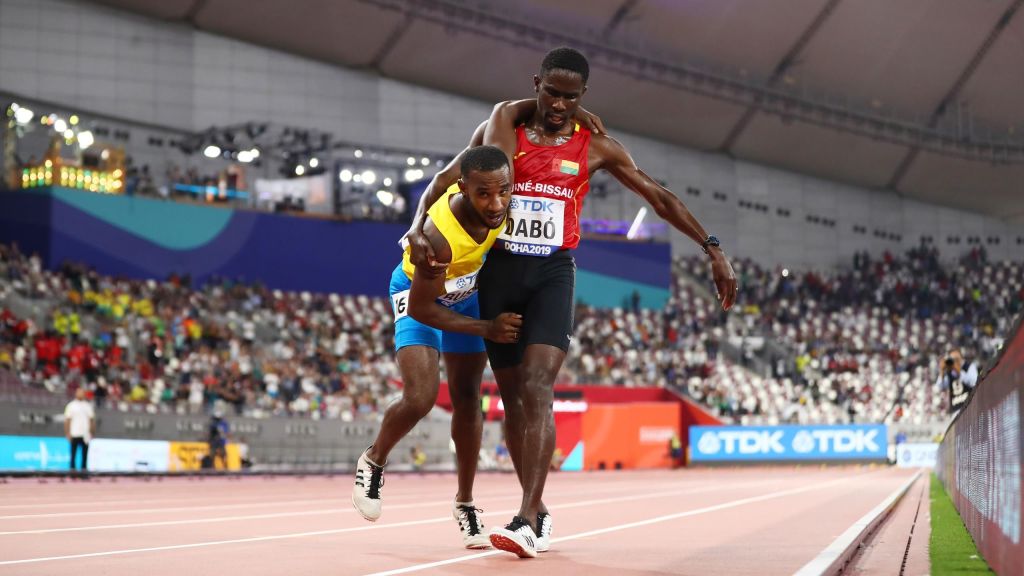
This photo captures one of the purest forms of sportsmanship I’ve seen as an athlete. It was taken on September 27, 2019, during the men’s 5,000-meter heats at the World Athletics Championships in Doha, Qatar. The image shows Jonathan Busby of Aruba being helped to finish the race by Braima Suncar Dabo of Guinea-Bissau after Busby collapsed from exhaustion near the end of the race. There is a lot of complexity behind this image. First, it reveals the exhaustion of long-distance running and the grit it sometimes takes to finish a race. However, the punctum that strikes me most is Dabo holding Busby up when his body could no longer carry him. In a moment when he could have focused only on his own race, he chose compassion. Dabo’s choice transformed the race into a symbol of humanity. For me, this picture proves the depth of sports beyond competition. Sports represent human connection and the power of experiences we choose to share with each other.
American Photo Story
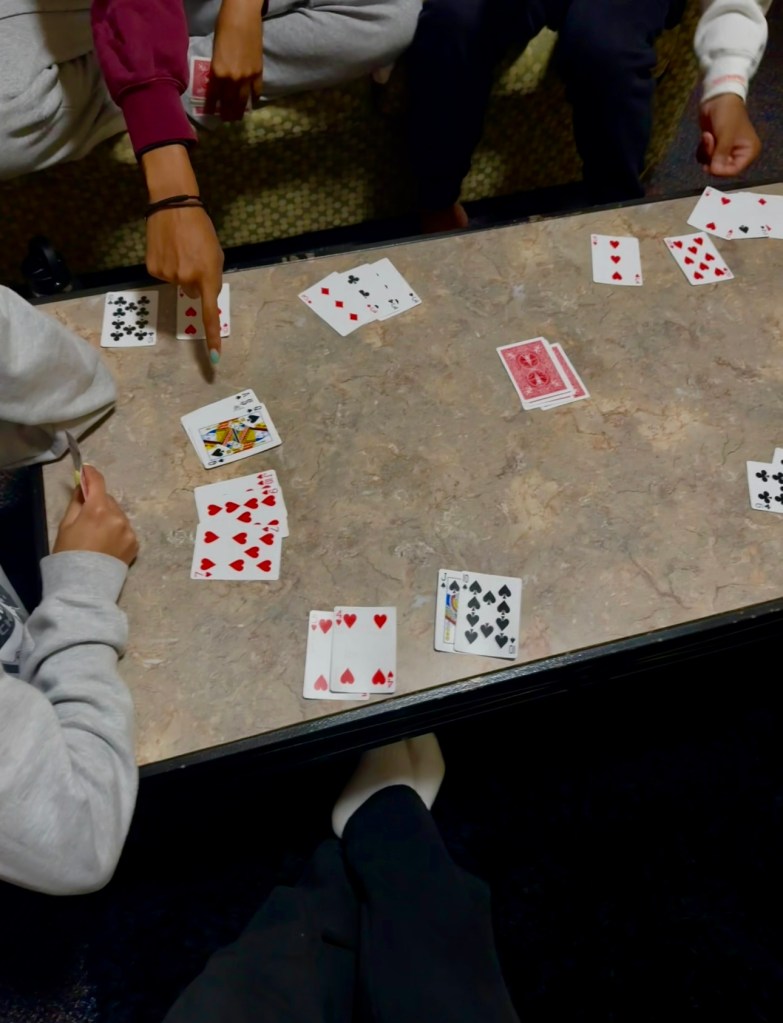
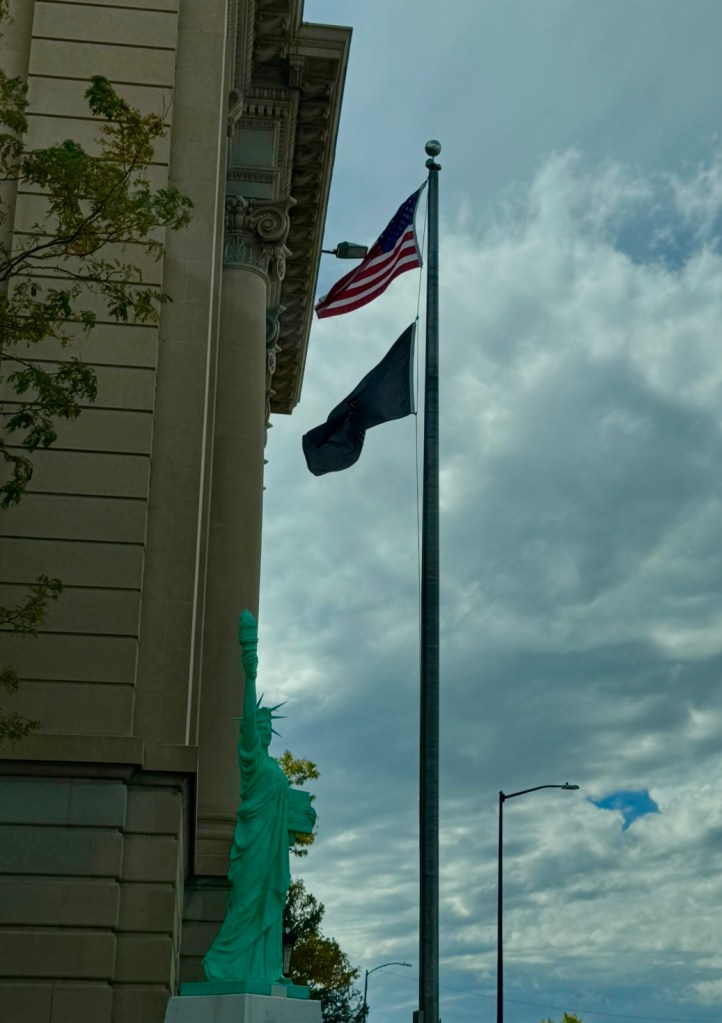
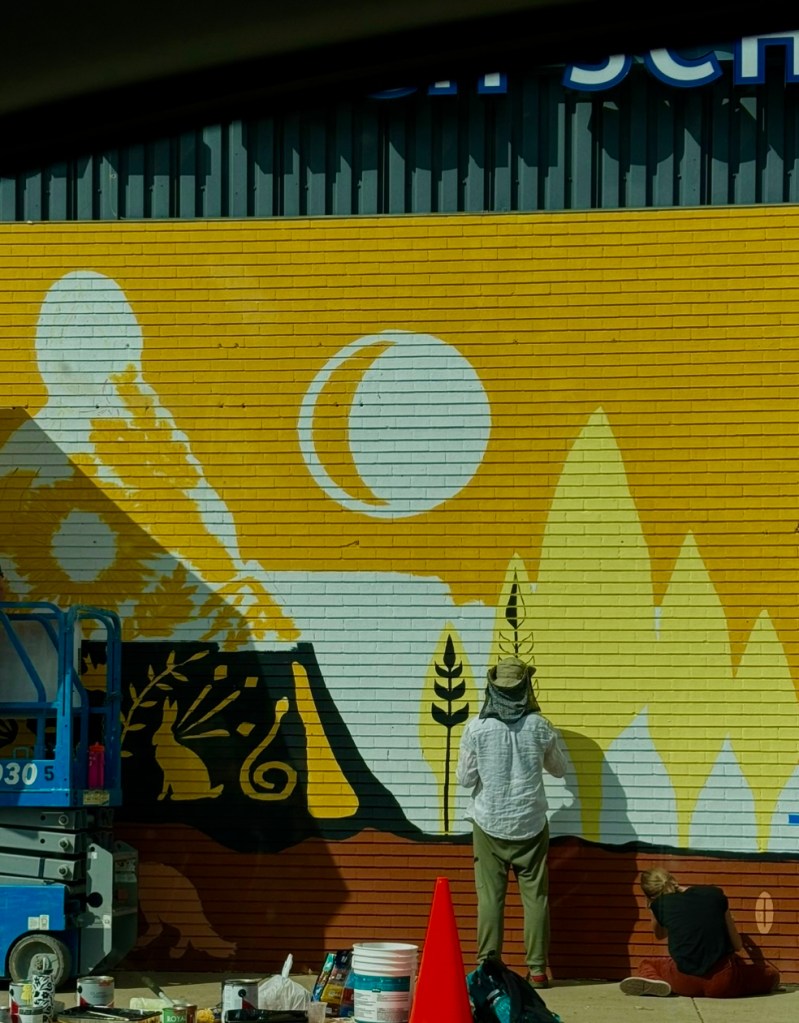
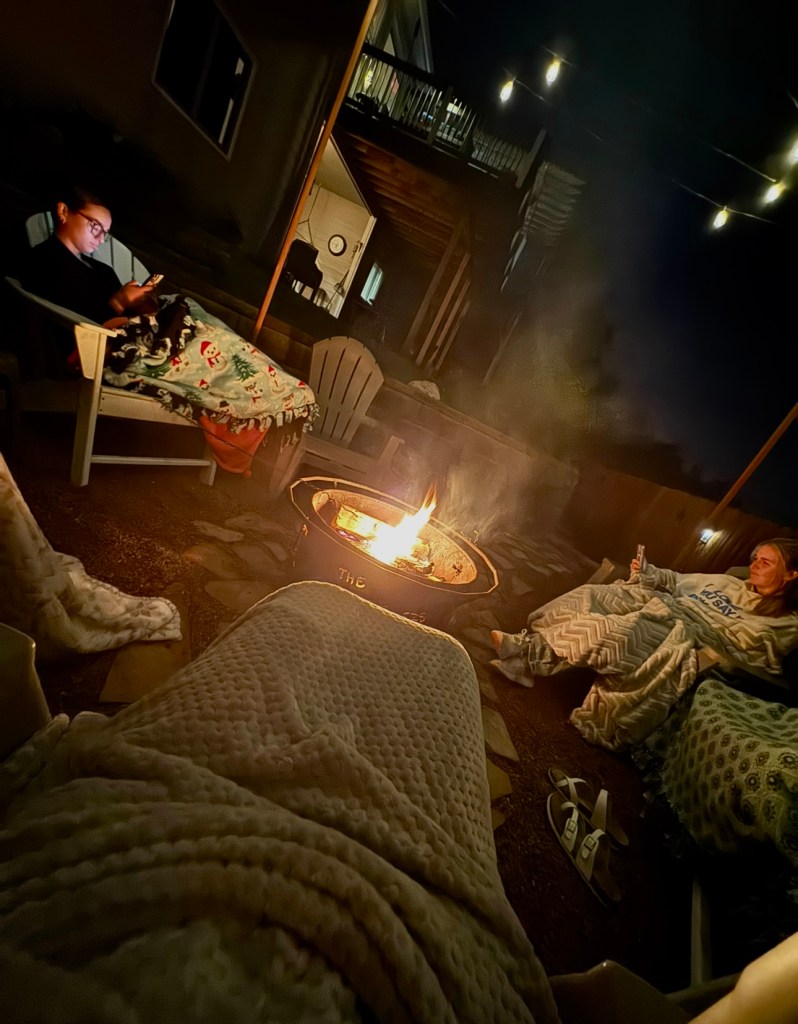
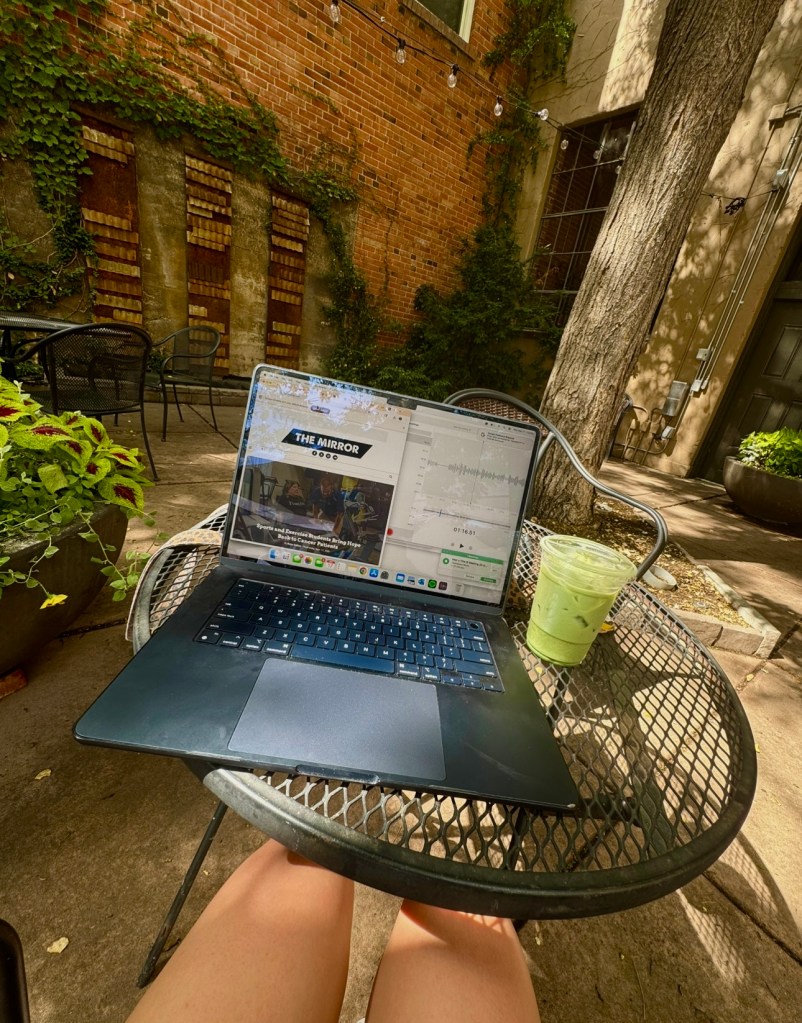
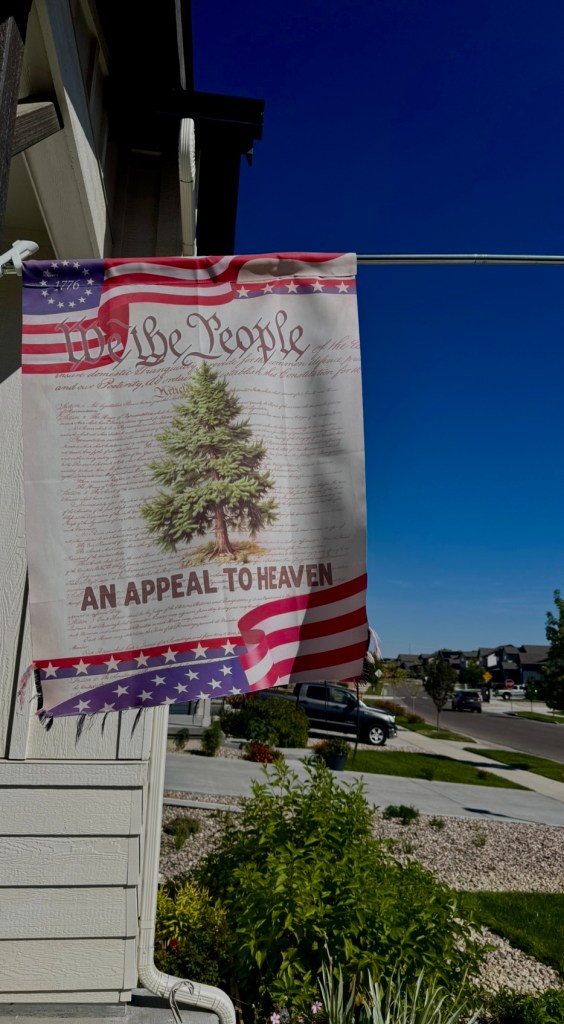
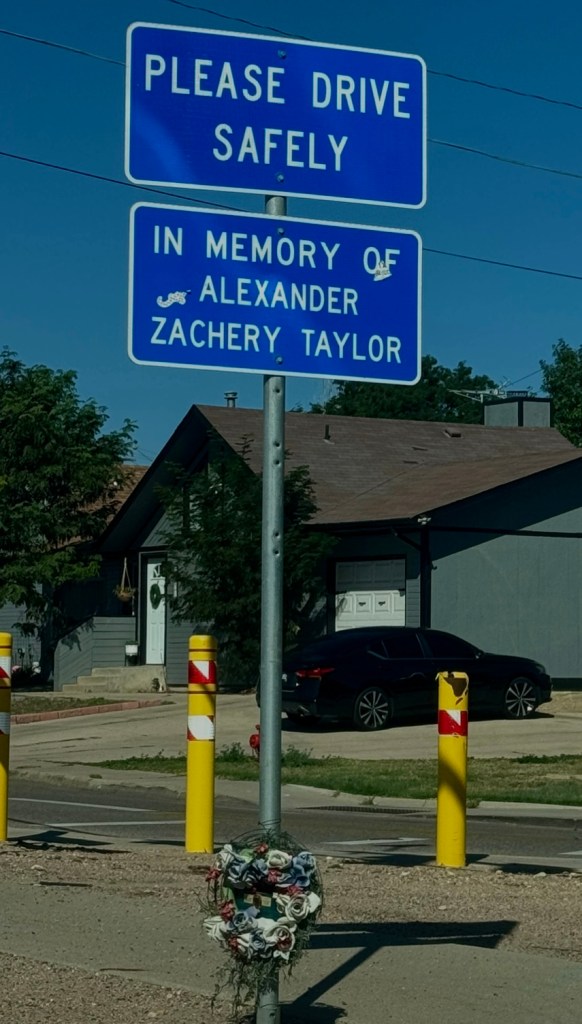
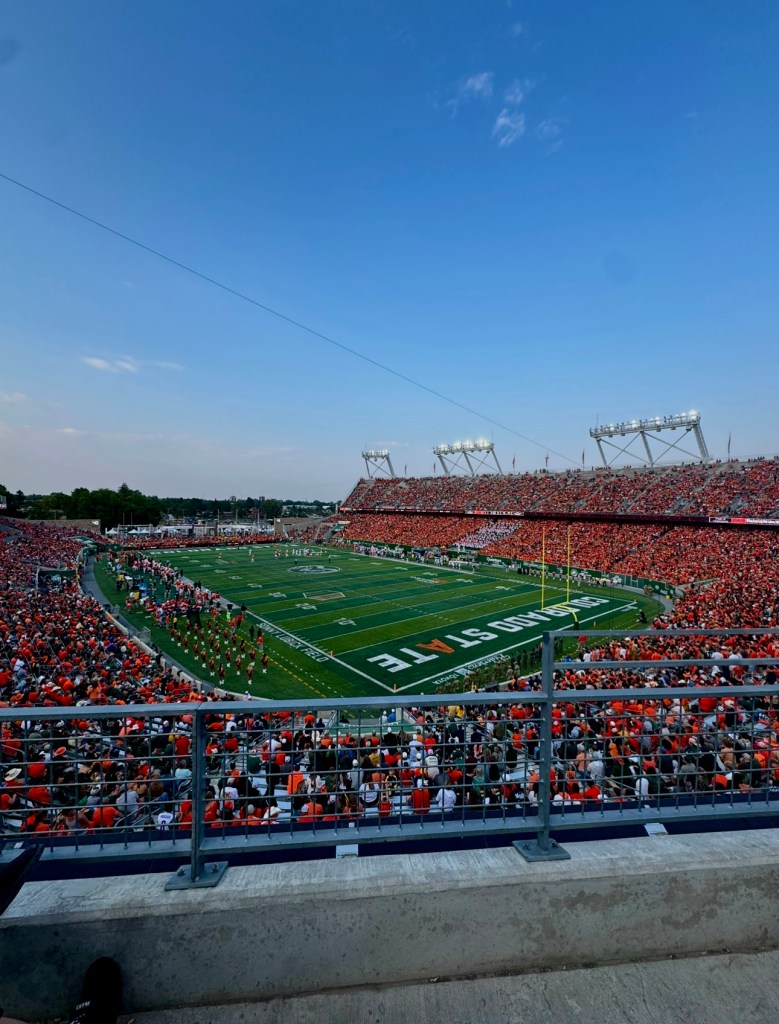
Infographic
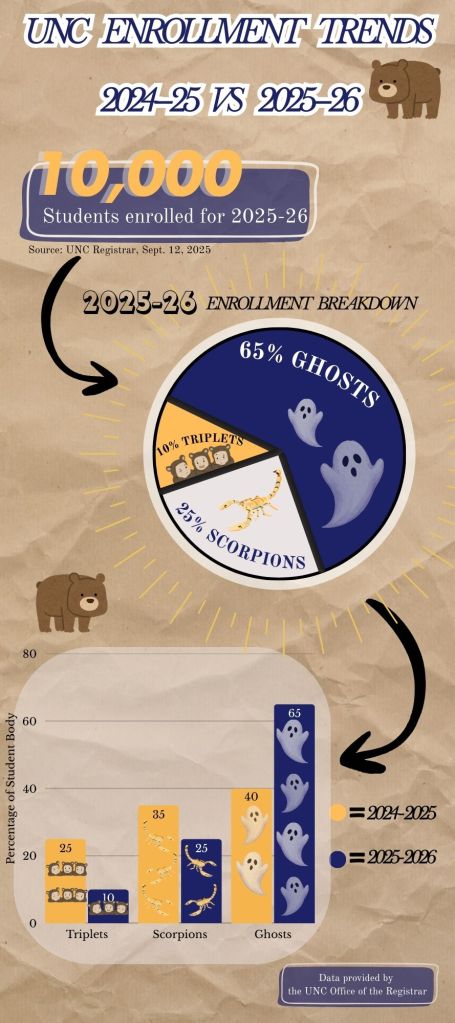
Me vs. Ai
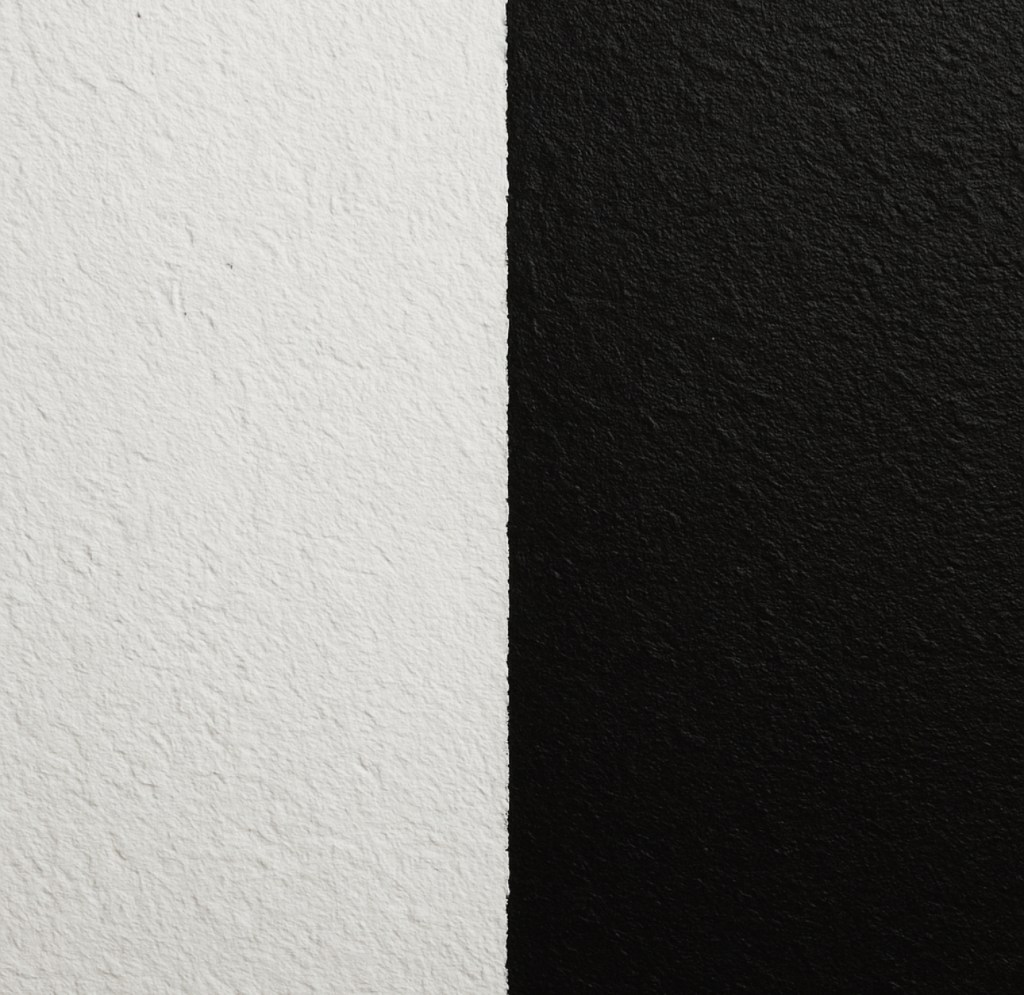
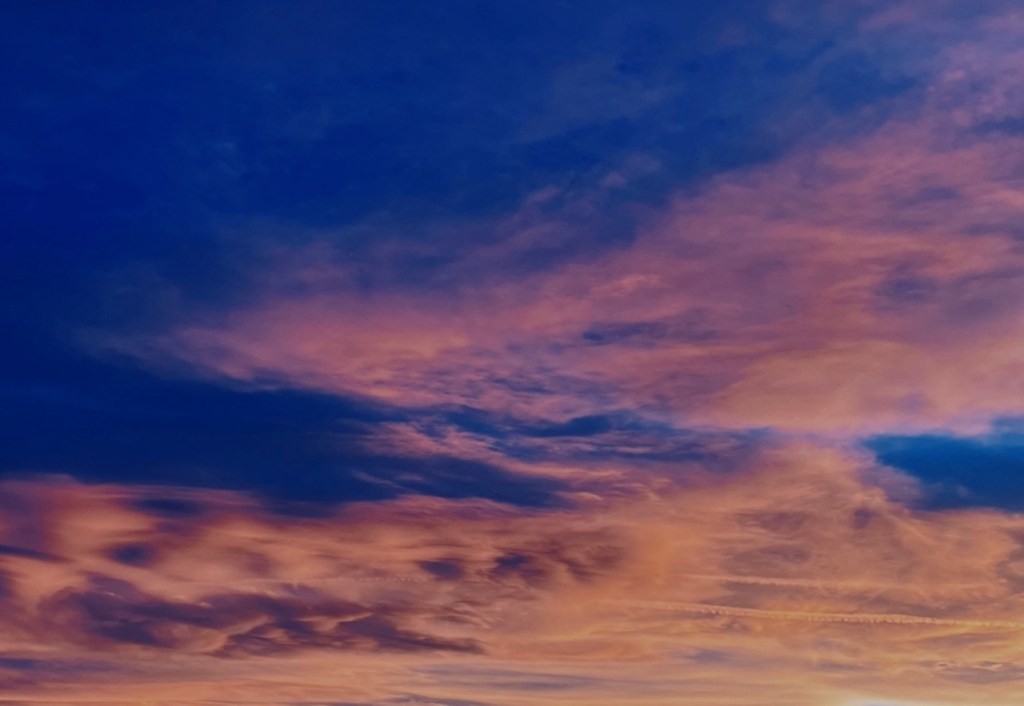
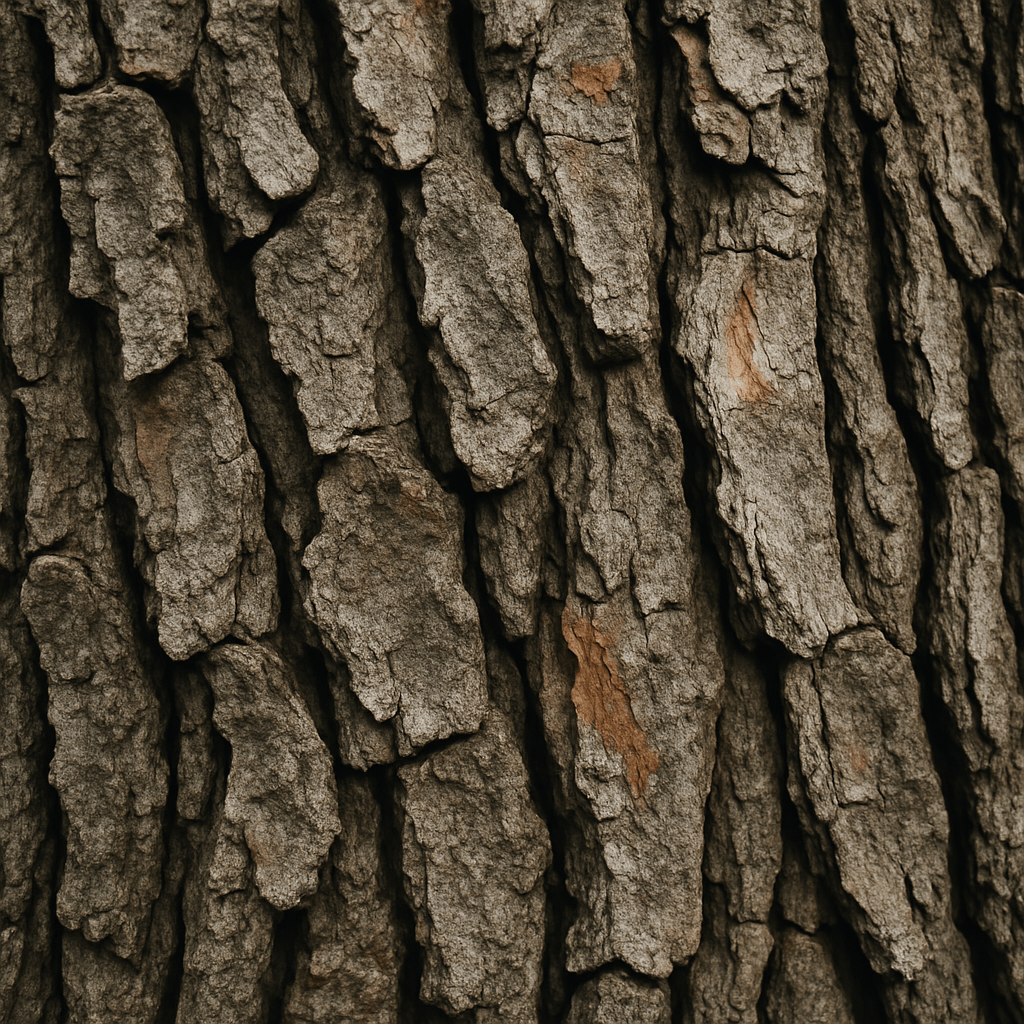
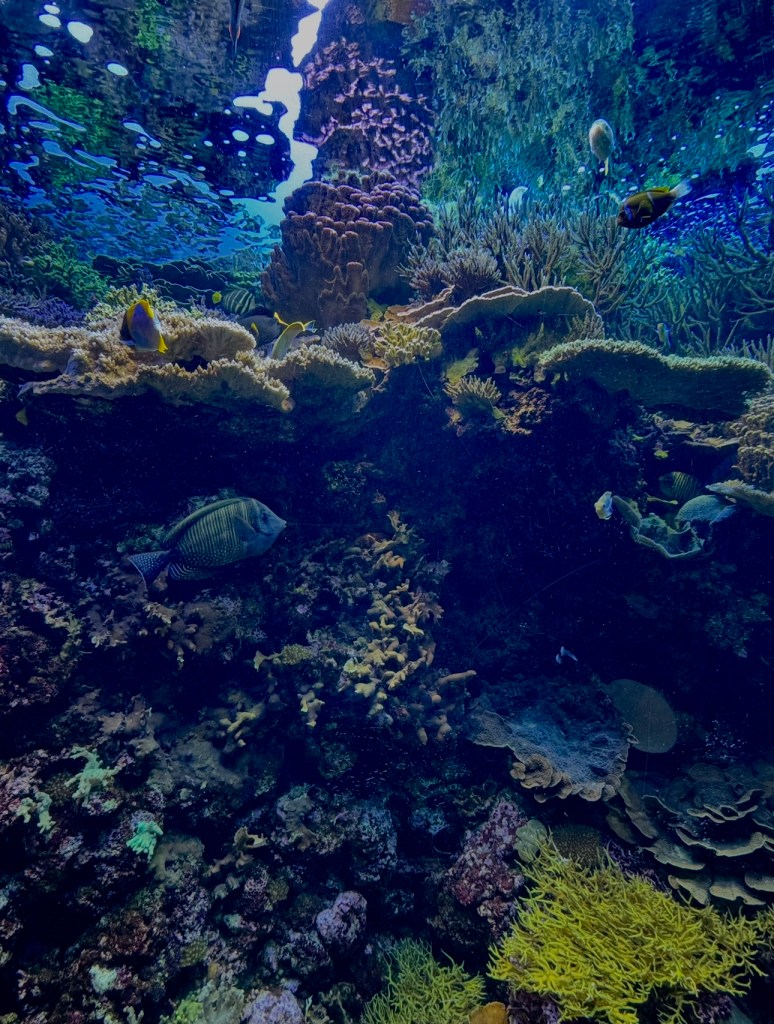
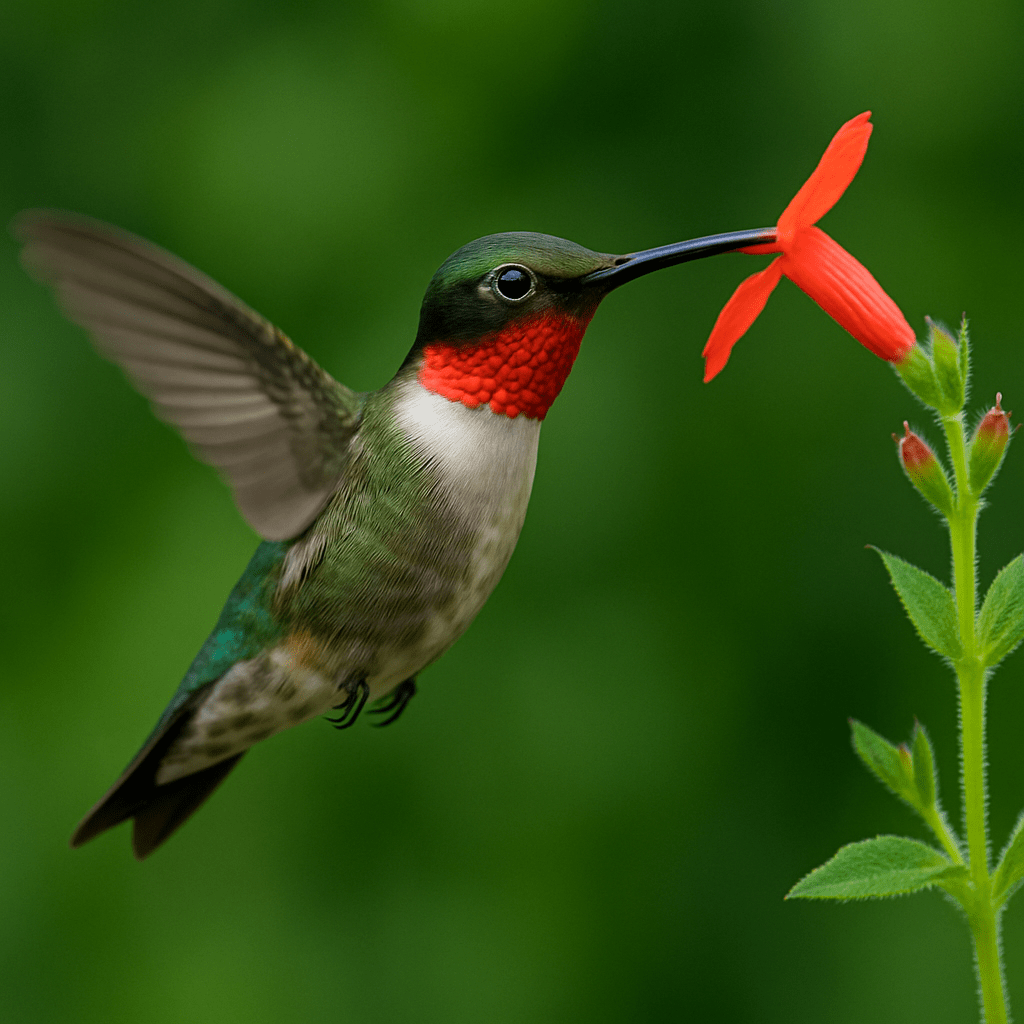
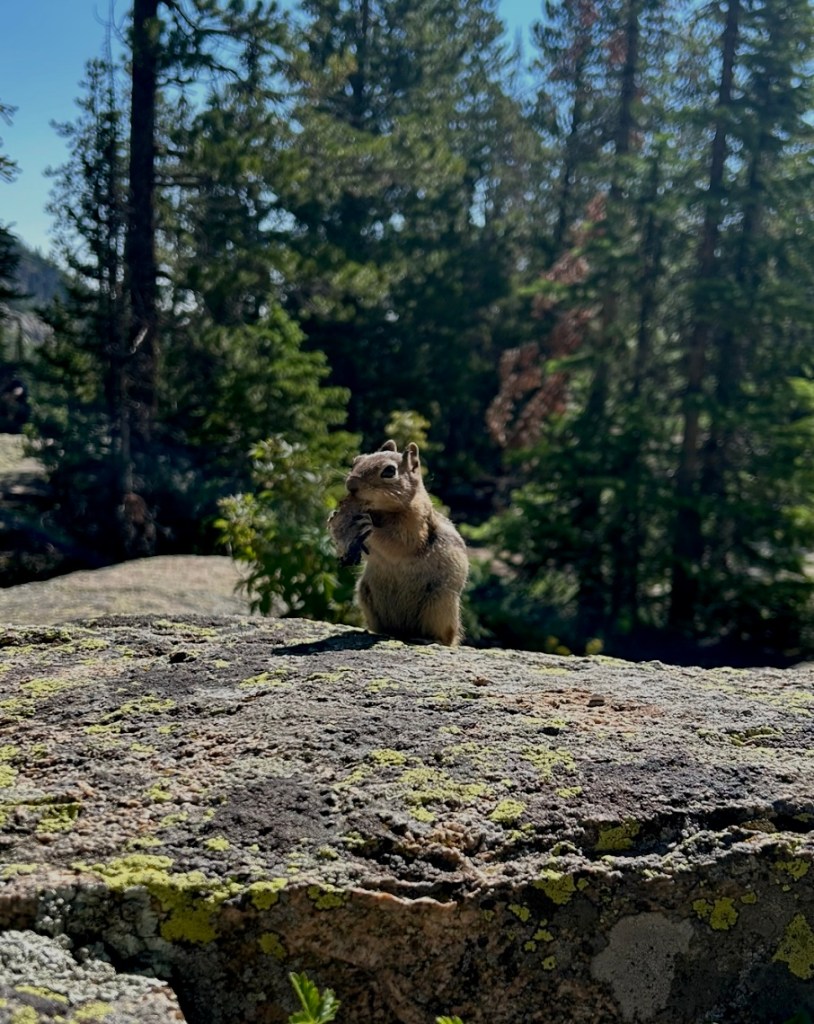
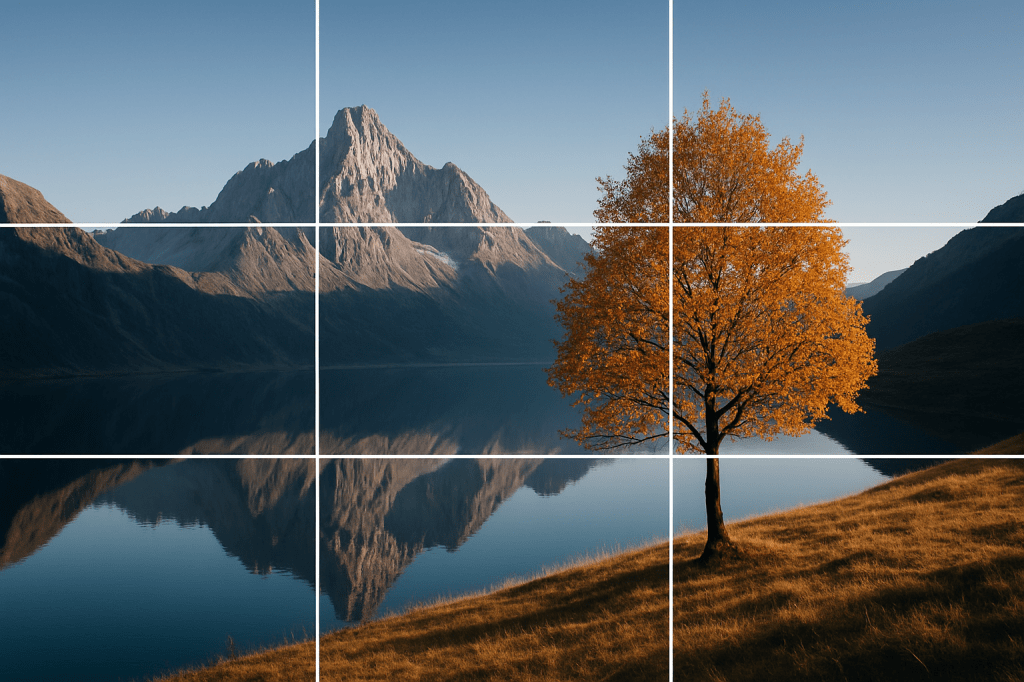
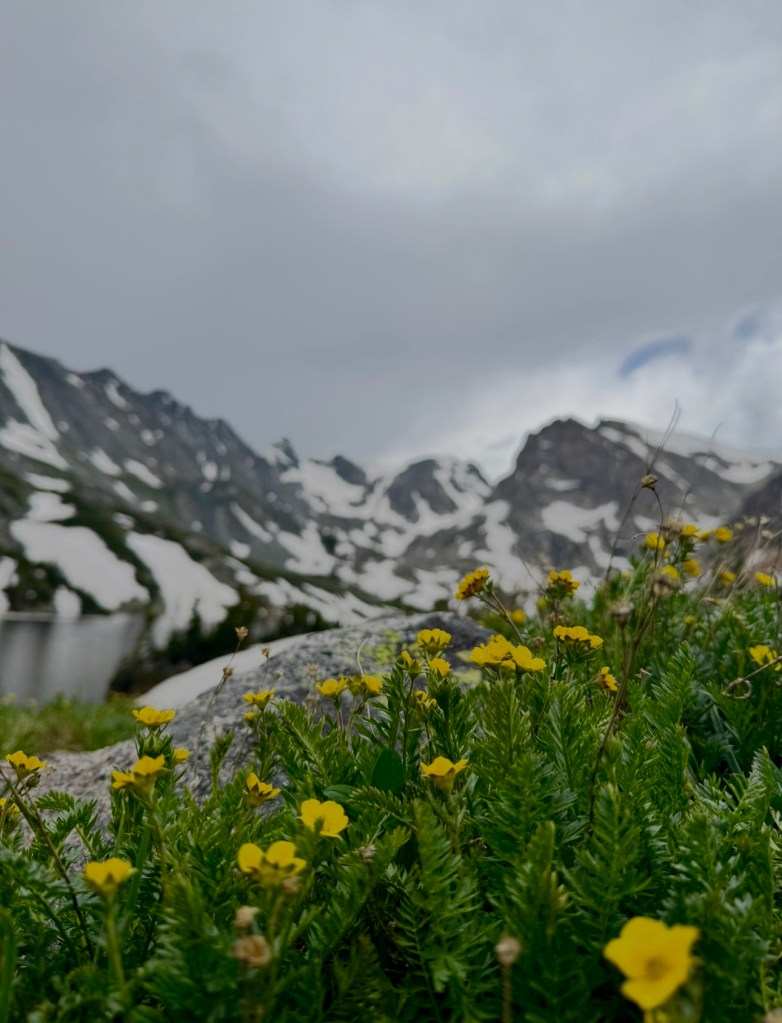
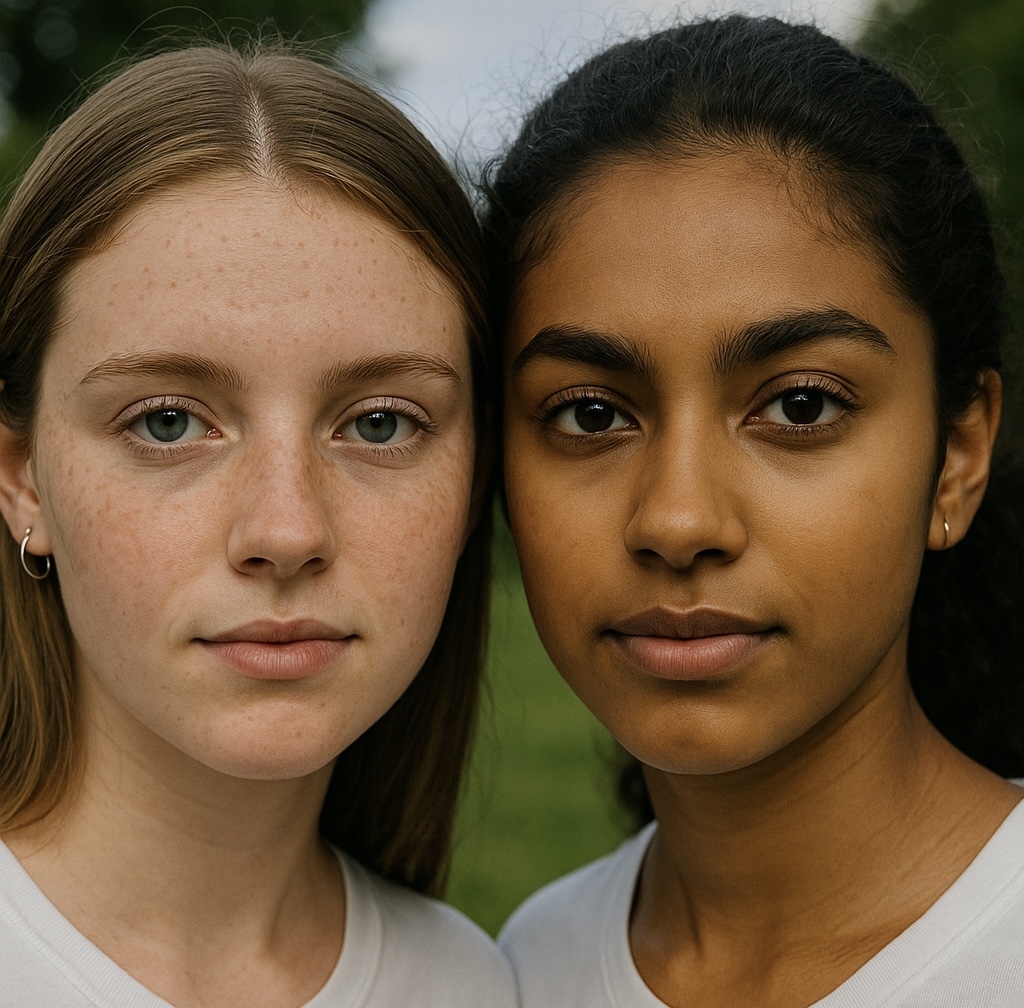
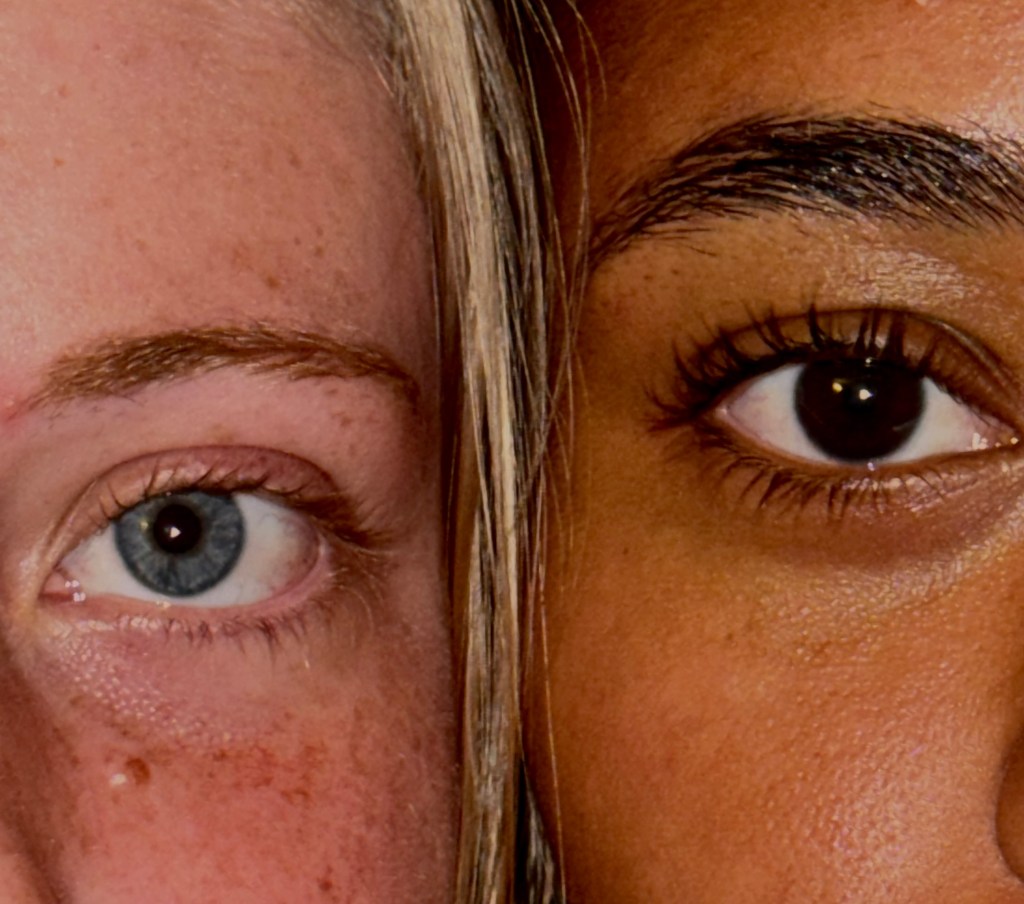
For this project, I created both AI-generated and real-world versions of contrast, texture, focal point, rule of thirds, and ethnicity. Exploring these through both mediums showed me how differently technology and personal experience shape creative outcomes.
Starting with contrast, the AI image created a precise balance between light and dark, resulting in a black-and-white side-by-side composition. In my real photo, I took a more natural approach with a sunset shot featuring soft pink and blue tones. The light hits the clouds and surfaces in ways that give the image warmth. The imperfections of the clouds make the contrast feel more alive, rather than staged like in the AI image.
With texture, the difference in liveliness was even more noticeable. The AI generated a flawless but somewhat cold-looking image of tree bark. My own photo, on the other hand, brings another level of depth to the concept of texture. There are multiple elements in the image from the coral reefs to the fish in the foreground, and the water’s reflection at the top adds yet another layer of texture.
For the focal point prompt, both images included animals, but they felt very different. The AI image of the hummingbird almost looks like a painting with its vibrant colors, while my photo of a chipmunk feels more natural and required patience and timing to capture. It has more background elements of nature while still keeping the chipmunk as the main focus.
In the rule of thirds comparison, the AI image followed the principle perfectly, placing elements exactly where they “should” be. The tree in the foreground, the lake behind it, and the mountains in the distance. My photo, however, offers a more untraditional take. The bright yellow flowers fill the bottom third, the mountains occupy the middle, and the sky sits at the top, creating a layered but organic composition.
Finally, ethnicity was the most human of all the prompts. The AI rendered faces beautifully, but lacked the emotion and authenticity that come from photographing real people. I was extremely surprised to see how closely the AI-generated people resembled my friend and I, even though it created them from a broader perspective. My own portraits, however, carried genuine expression and connection through the closeness of the subjects which is something that can’t truly be replicated by AI.
20-shot Sequence
For my 20-shot sequence, I decided to capture my morning routine before class. It’s a simple yet realistic, step-by-step look at how I start my day from waking up and getting ready to heading out the door. I thought this idea would work well because it’s something relatable and easy to follow, while still giving me room to be creative with different camera angles and transitions.
Visual Narrative
Final Project
 The Unspoken Athlete