The transition from high school sports to college sports is an exciting yet very challenging moment in anyone’s life. For athletes, it is a major achievement to be recruited by a college to play a sport. One that is often accompanied by challenges that many aren’t prepared for.
College is already a huge adjustment in a young person’s life and college athletics add another layer to the changing period. On top of navigating college life and classes, athletes are adjusting to new coaches, teammates, and practice schedules. I remember the first week we started practice I became very overwhelmed. Once we had our first practice, I realized how limited time I had during the day for other obligations. Practice ran from 2:30-5 pm and on Mondays, Wednesdays, and Fridays we would have weights from 5-6 pm. With classes leading up to practice, showering afterward, and lunch and dinner at the dining hall, I often didn’t get around to starting my homework until 8 p.m. most days. I was exhausted.
I have found a better balance this semester, making sure I carve out time in my day to complete my schoolwork. I take my education very seriously and understand the importance of being a student before an athlete. Having a good schedule that I stay disciplined to has had a noticeable positive impact on my motivation and overall well-being since coming to college.
“Success is the sum of small efforts, repeated day in and day out.”
When it comes to identity and mental health challenges, it can be difficult to realize that others are going through similar struggles. This is especially true when it involves a teammate. It takes a lot of courage to set aside the competition and training to be open with each other about sensitive topics.
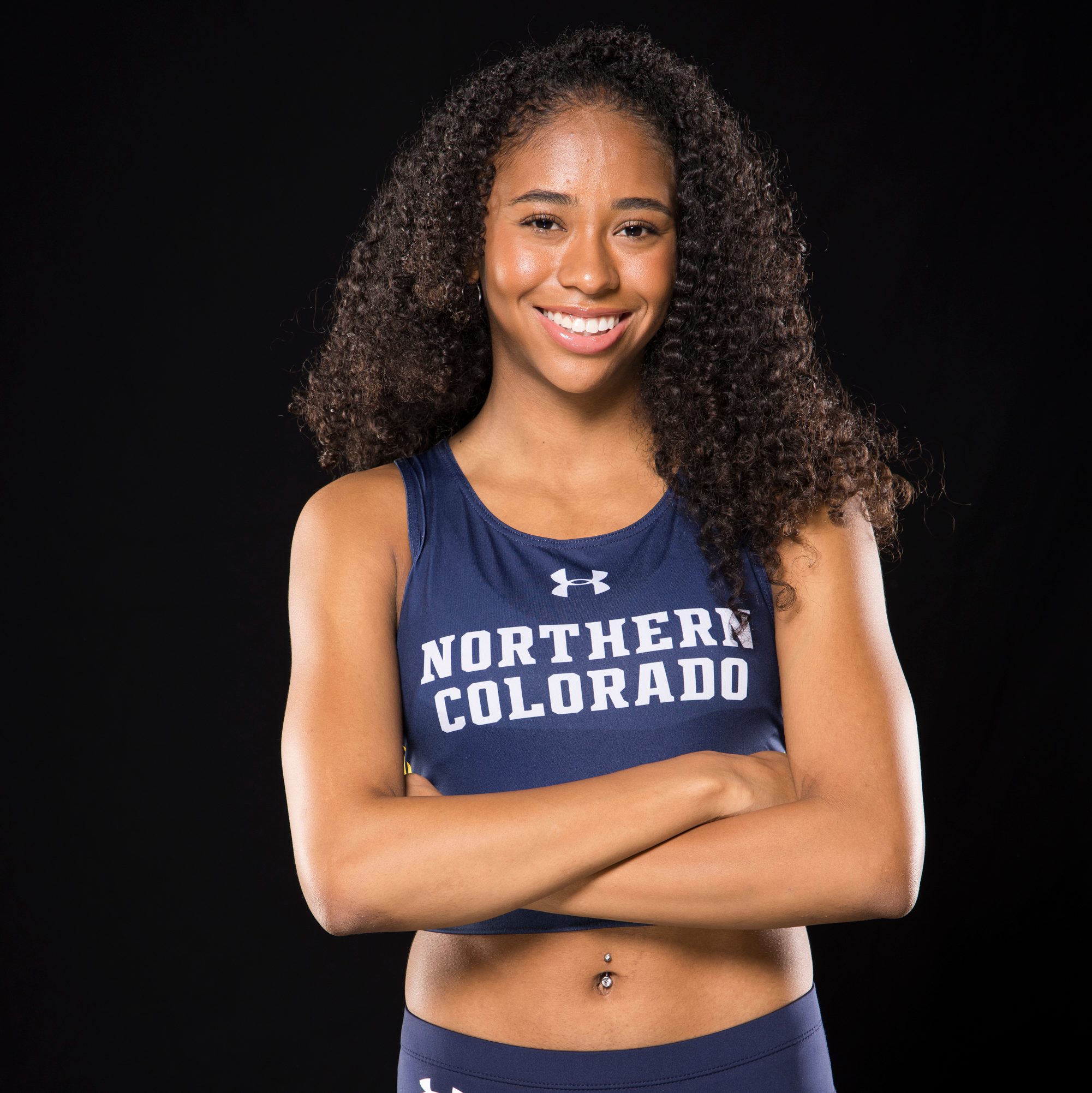
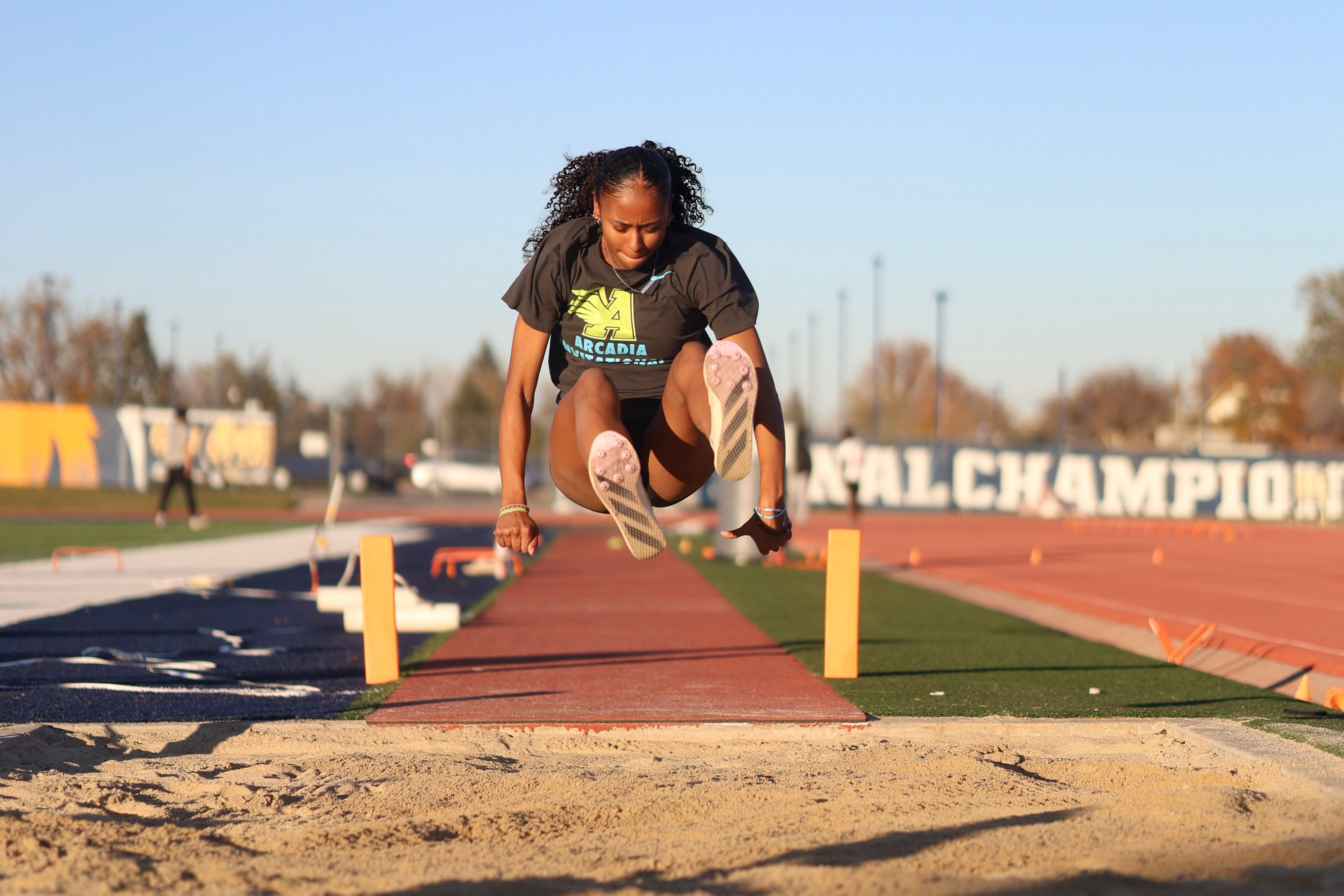
My teammate and friend, Jaelynn Lane, generously shares her journey and highlights how her athletic experiences have influenced her perspective on sports and life. Lane is a freshman at the University of Northern Colorado, where she majors in sports and exercise science and is an athlete on the track team. Lane is a jumper and competes in the long and triple jump.
At the first indoor competition in December, Lane quickly excelled jumping new personal bests in the long and triple jump. 39’4.5 feet in the triple jump and 18’10 feet in the long jump ranked her top 10 in both events in the Big Sky Conference.
Success is often accompanied by moments of struggle, a challenge that athletes face throughout their entire careers.
Lane has been involved in athletics since she was three years old. From basketball and volleyball to soccer and track and field, sports have always been a part of who she is. “As an athlete, I rely heavily on my performance and that’s how I feel valued a lot of the time,” Lane said. As an athlete, it can be extremely difficult to accept that your worth as a person isn’t solely based on your performance. However, recognizing that the feeling is real and present is the first step toward growth, both as an athlete and as an individual.
The transition from high school to college athletics often brings changes in how athletes approach and manage their emotional well-being. The National Library of Medicine performed a study in 2024 discovering how moving into elite sports exposes athletes to various risk factors for mental health issues and demands a quick adjustment to integrate into the new environment successfully. For many athletes, the pressure to perform intensifies in the collegiate setting, making it a difficult adjustment for freshmen to handle. “It’s hard to stay positive if a meet didn’t go well and it gets to me more because now I’m competing at a higher level,” Lane said. College tends to amplify the highs of performing well and makes them feel incredibly rewarding, while the lows feel more difficult to bear than ever.
Positive self-talk plays a key role in maintaining an athlete’s mental well-being both during and outside of competition. By cultivating a growth-oriented mindset, it can alleviate anxiety and address other mental health concerns. Additionally, seeking support from trusted individuals can further contribute to an athlete’s mental health and resilience. “I try to tell myself that it’s okay to struggle and everything can’t be perfect. It’s okay to take a break and ask for help because you don’t have to deal with everything yourself,” Lane said.
Being an athlete is being okay with not always having to be strong.
In college, track and field has an indoor and outdoor season. Indoor runs from December to late February, while outdoor runs from March to May/June. Let alone the fact I had never competed collegiately before this year, I had also never competed at an indoor track before two months ago. In the triple jump, I expected to pop out with a new personal best (pr). Instead, on all attempts, I jumped 2 feet short of my high school pr of 37-11 feet.
This seemed to set the mood for the rest of the indoor season and I couldn’t break 36 feet for the next three meets. I was in a slump I’d never experienced before and I started feeling like I wasn’t going to be the athlete I once was no matter how hard I trained.
A couple of days ago I was scrolling through Instagram when I came across a post a track athlete at the University of Colorado posted. She was celebrating her new personal bests from a meet over the weekend. The post was captioned: “COMEBACK>SETBACK”. As I read on, I realized that in the previous season, she was feeling just as I did—hopeless about not making progress athletically.
That day I told myself that I was going to improve my mindset and approach my training more aggressively. I was going to do everything with intention and a strong mind.
An athlete can only be great if they believe they are great.
Putting in the work and not seeing results is a battle many athletes face. I struggle with it, my teammates struggle with it, and I’m sure you do too, even if you’re not an athlete. It’s especially tough when others tell you that if you trust the process, things will work out in the end.
I argue that being an athlete is harder on the mind than it is on the body. I’ve learned that “the process” is more than just training, eating right, and recovering. It’s a journey of learning and growing. A test of the strength of your mind.
In the blog titled “Trust the Process Even If You Just Started”, Dr. Eddie O’Connor breaks down the significance of the popular saying. Growth often occurs incrementally so it is important to have patience. “It requires you to keep a positive outlook and stay dedicated to your regimen, knowing that all the small efforts contribute to larger gains, often in ways that aren’t immediately apparent,” O’Connor said.
Mindset is the make-or-break factor in any athlete’s process. Throughout my athletic career, I have let my mind break me down many times. I have learned that with patience, trusting the process is a lot easier. Sometimes, it takes embracing struggles to overcome them.
Hard work pays off when you recognize the tough days as steps of the process.
An athlete’s ability to remain composed in moments of tribulation is a challenge often unnoticed in discussions about the athlete experience. For a lot of athletes, stability is impossible without a support system.
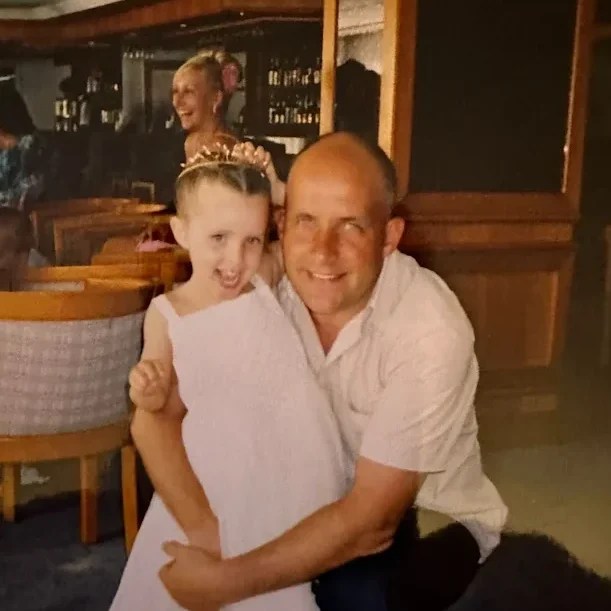
With every step of my athletic career, I’ve never doubted that my dad was walking alongside me. My dad was the one who paid for my gymnastics lessons while working two jobs to support my brothers and me. He drove hundreds of miles and booked flights across the country so I could compete at major track meets. He always sat front row at every basketball game and track meet in high school. When I had a tough day and felt like I wasn’t the athlete I once was, he was the first to share my struggle.
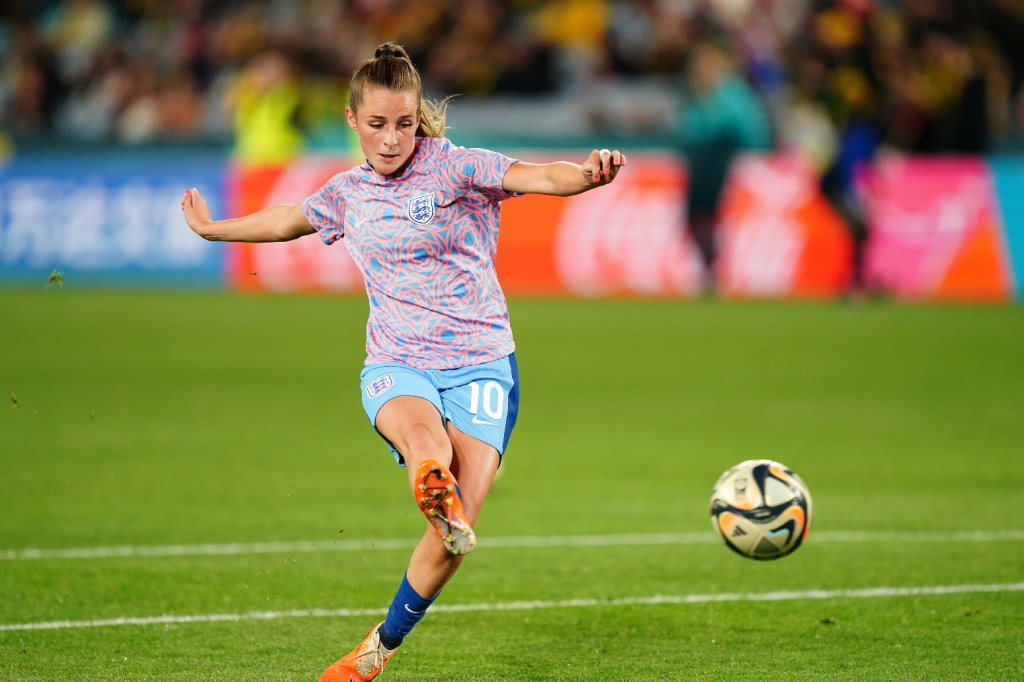
In an article published by The Players Tribune called “Ten Pounds”, an English professional footballer reflects on losing her father and the role he played in her life. Ella Toone is a midfielder for Manchester United and the England Women’s Senior Team. The 25-year-old quickly made a name for herself due to her technical skills and scoring ability, leading the England squad to victory in the 2022 UEFA Women’s Euro Tournament. Toone took a two-month absence from football due to a calf injury she sustained in November.
While Toone was recovering from injury, she shared how the time allowed her to reflect on the loss of her father in September. “For the past few months, I’ve been trying to figure it all out, trying to get unstuck. It’s still raw,” Toone shared. Losing a loved one can bring deep grief and sadness to anyone. For athletes, it can impact their focus, motivation, and overall performance. Sometimes the emotional weight of losing a key supporter becomes too much to bear and athletes lose a sense of identity or purpose. “Dad was always the one who kept me grounded, especially as the spotlight got bigger,” Toone said.
As hard as it is to return to regular life after losing a loved one, sometimes remembering the memories is what makes it feel like they are still there. For Toone, recalling the times of hardship when her dad was her safety net has been the motivation to keep moving forward. “And as everything was getting bigger and bigger, the thing he would say to me sometimes that stuck was: “Just keep doing what you’re doing. And enjoy the journey of the game.” Toone said.
Perspective is the most important lesson I’ve learned as an athlete. A positive perspective is what keeps the mind healthy and strong. When I came to college, I had to learn how to maintain my mental health without my dad’s support, which was incredibly difficult. My dad was always my first person to turn to on a bad day. The first couple weeks of practice were hard and a phone call is never the same as the drives we would take after a tough workout. On every drive, my dad would tell me, “Control your controllables.” I couldn’t always control the outcome but I could control my reaction to it. I see a connection between my relationship with my dad and Toone’s with hers, and I find her story an inspiration that it is always possible to move forward.
I enter my first collegiate outdoor season of track in a month and my dad won’t be front row at every meet. I won’t be able to physically go on drives with him afterward, but I know he will be with me in his words. I’ll control what I can control and enjoy the journey.
Like Ella Toone, athletes will endure, adapt, and overcome.
The purpose of this blog is to teach me how to blog while practicing journalistic values. I will be covering the role of college sports in shaping the identity of athletes. There will be some posts where I talk about mental health as well. I plan to cover this beat through research and conducting interviews. My blog will focus mainly on the University of Northern Colorado Track Team as it is the most accessible resource to me for this beat. Staying updated on other collegiate sports will keep my blog relevant, and interviews will bring a personal touch to my posts. I plan to post at least once a week. I aspire to be a sports journalist, so blogging about the athlete experience while being in college will guide me on that path.
I have very minimal experience in journalism. From my sophomore to senior year in high school, I created scripts and announced for the Weld County Special Olympics track meet my school hosted every spring. My high school didn’t have a newspaper so I was unable to practice the media writing side of journalism before college. Through covering this beat I hope to improve my skills as a writer and journalist. I hope to discover the most beneficial methods of researching and documenting information. Most of all, I hope to learn more about myself and my teammates through the topic of collegiate athlete identity and mental health. I’ve never covered a beat before so this blog will be a learning experience.
I am a very passionate writer. I’m not lazy and I put a lot of effort into the writing I produce. I am also very receptive to feedback. I understand not everything I write will be flawless and I look forward to using feedback as a tool for future work. My biggest weakness is confidence. I strive for perfection and I struggle with feeling like none of my work meets my expectations. I also struggle a lot with procrastination. Entering a field where deadlines are critical means my habits of waiting until the last minute need to change. I anticipate that keeping myself to a weekly blog post schedule will help me with that habit.
I’ve followed podcasts such as On Track & Field but not many blogs. I have never blogged myself. I’m eager to learn and grow as a blogger, and I believe it will ultimately make me a better journalist. I am very confident in my ability as a writer to learn and create engaging blogs. I am a bit nervous to interview and I am not the most text-savvy person so learning the tools for blogging is a bit intimidating. Still, I’m excited to practice these skills and grow as a journalist with “The Unspoken Athlete”.
 The Unspoken Athlete