When it comes to identity and mental health challenges, it can be difficult to realize that others are going through similar struggles. This is especially true when it involves a teammate. It takes a lot of courage to set aside the competition and training to be open with each other about sensitive topics.
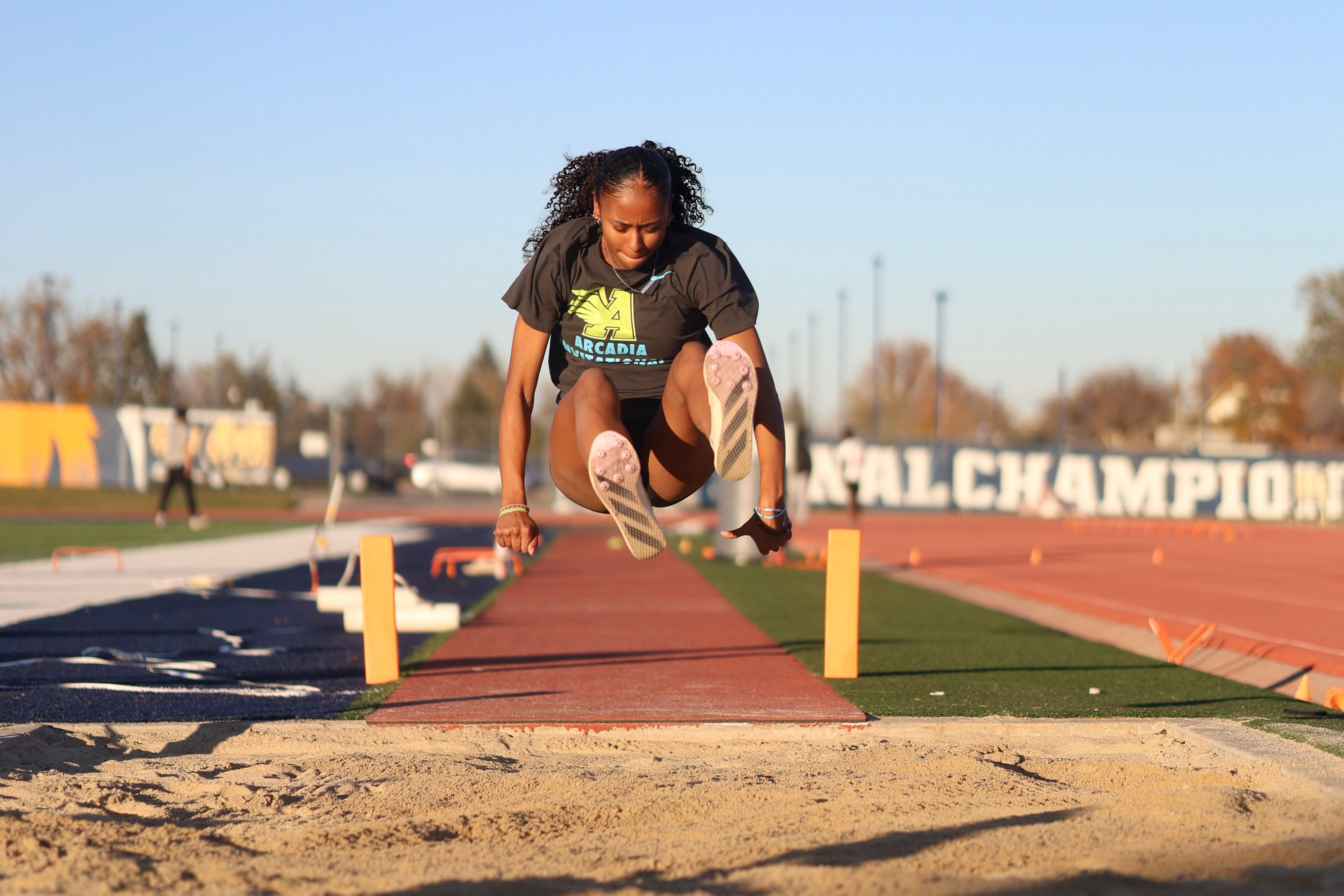
My teammate and friend, Jaelynn Lane, generously shares her journey and highlights how her athletic experiences have influenced her perspective on sports and life. Lane is a freshman at the University of Northern Colorado, where she majors in sports and exercise science and is an athlete on the track team. Lane is a jumper and competes in the long and triple jump.

At the first indoor competition in December, Lane quickly excelled jumping new personal bests in the long and triple jump. 39’4.5 feet in the triple jump and 18’10 feet in the long jump ranked her top 10 in both events in the Big Sky Conference.
Success is often accompanied by moments of struggle, a challenge that athletes face throughout their entire careers.
Lane has been involved in athletics since she was three years old. From basketball and volleyball to soccer and track and field, sports have always been a part of who she is. “As an athlete, I rely heavily on my performance and that’s how I feel valued a lot of the time,” Lane said. As an athlete, it can be extremely difficult to accept that your worth as a person isn’t solely based on your performance. However, recognizing that the feeling is real and present is the first step toward growth, both as an athlete and as an individual.
The transition from high school to college athletics often brings changes in how athletes approach and manage their emotional well-being. The National Library of Medicine performed a study in 2024 discovering how moving into elite sports exposes athletes to various risk factors for mental health issues and demands a quick adjustment to integrate into the new environment successfully. For many athletes, the pressure to perform intensifies in the collegiate setting, making it a difficult adjustment for freshmen to handle. “It’s hard to stay positive if a meet didn’t go well and it gets to me more because now I’m competing at a higher level,” Lane said. College tends to amplify the highs of performing well and makes them feel incredibly rewarding, while the lows feel more difficult to bear than ever.
Positive self-talk plays a key role in maintaining an athlete’s mental well-being both during and outside of competition. By cultivating a growth-oriented mindset, it can alleviate anxiety and address other mental health concerns. Additionally, seeking support from trusted individuals can further contribute to an athlete’s mental health and resilience. “I try to tell myself that it’s okay to struggle and everything can’t be perfect. It’s okay to take a break and ask for help because you don’t have to deal with everything yourself,” Lane said.
Being an athlete is being okay with not always having to be strong.
 The Unspoken Athlete
Leave a comment